

Industry We Serve
Heating Solutions for Oil, Gas & Energy
Tank, fluid and pipeline heating for oil, gas, petrochemical and power plants
Trusted By
What we heat
- Storage tank and vessel heating30–150 °C
- Process fluid and fuel oil heating
- Drum and barrel heating
- Pipe and hose temperature maintenance
- Temperature monitoring
Heat in Oil, Gas & Energy
Oil, gas, and energy facilities need heating equipment that performs reliably in hazardous, corrosive, and remote environments. MaxVolt supplies flameproof drum heaters, circulation heaters, and screw-plug immersion heaters engineered for viscosity control, tank heating, and pipeline temperature maintenance — with ATEX and IECEx-compliant options for classified areas.
Oil, gas and energy sites heat fluids to keep them pumpable, stop freezing and waxing, and hold process temperatures. The equipment often sits outdoors or in hazardous areas, and has to run for years with little attention.
MaxVolt designs immersion, circulation, drum and pipe heaters for these duties. Sheath material, watt density and terminal enclosures are chosen for the fluid, the site and the area classification you specify.
Problems we solve for this industry
Hazardous-area installation
Equipment in classified zones must not become an ignition source.
Our approach: Flameproof enclosures and temperature-class limits are designed to the area classification and certification you specify for the project.
Coking and fouling of heavy oils
Too hot a sheath surface cracks heavy oils, forms carbon deposits and shortens heater life.
Our approach: Low watt-density designs keep the sheath temperature within what the fluid can tolerate.
Corrosion
Crude, process chemicals and outdoor exposure corrode standard sheaths and terminal boxes.
Our approach: Sheath alloys such as SS316 or Incoloy are selected for the medium, with weatherproof enclosures for outdoor use.
Remote, unattended operation
A heater failure at a remote tank or pipeline can go unnoticed until the line freezes or waxes.
Our approach: Built-in sensors and over-temperature protection let the control system monitor and protect the heater.
Applications & recommended heaters
Storage tank and vessel heating
30–150 °CKeeping fuel oil, bitumen, chemicals and water at temperature in tanks and vessels.
Process fluid and fuel oil heating
In-line heating for viscosity control, fuel-oil preheating and process gas heating.
Drum and barrel heating
Bringing viscous products in drums up to pumping temperature, including in hazardous areas.
Pipe and hose temperature maintenance
Preventing freezing, waxing and viscosity rise in pipes, hoses and transfer lines.
Temperature monitoring
Process and over-temperature sensing for tanks, lines and heater sheaths.
Heaters for Oil, Gas & Energy
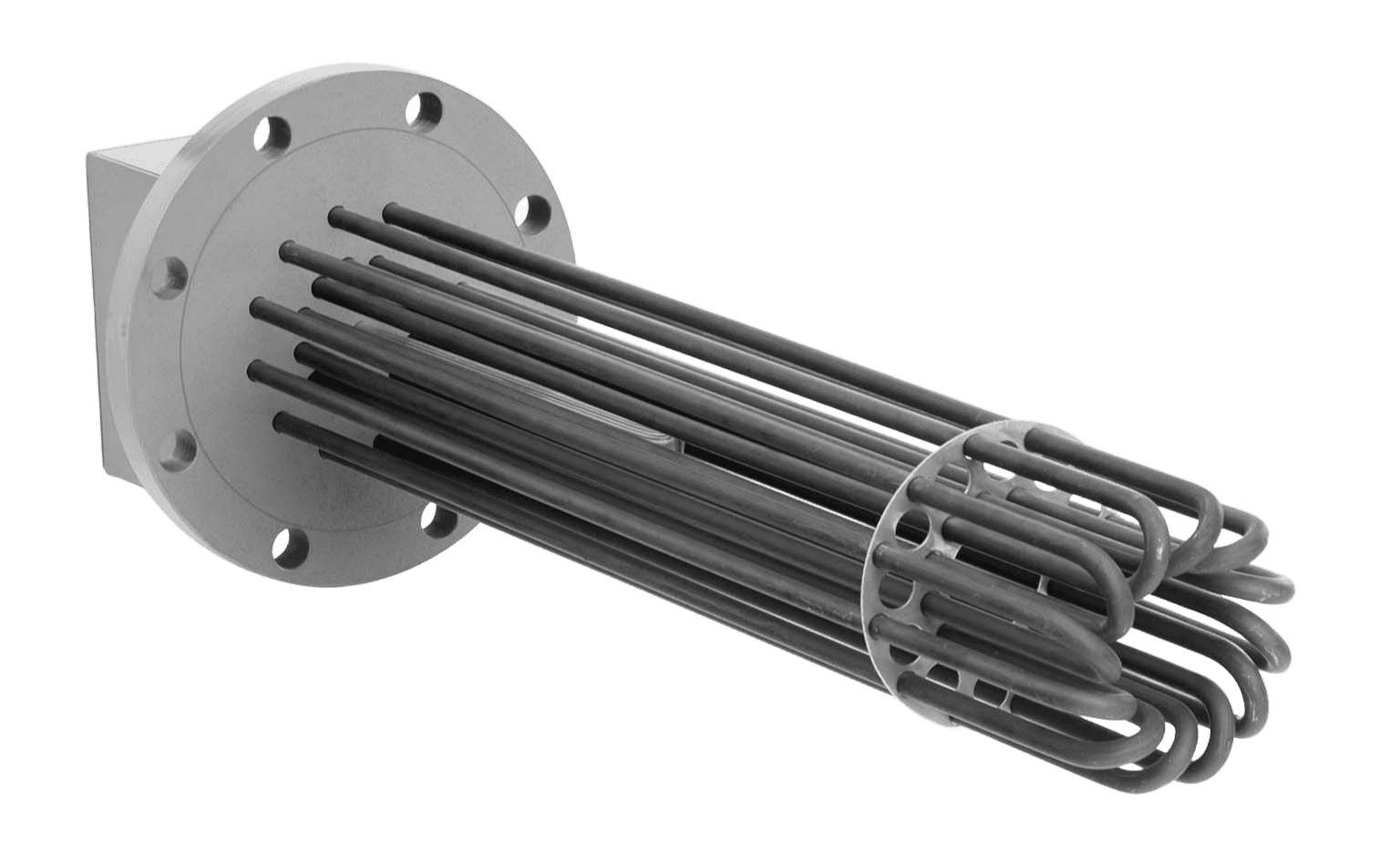
Process Heaters
Flanged Immersion Heater
View details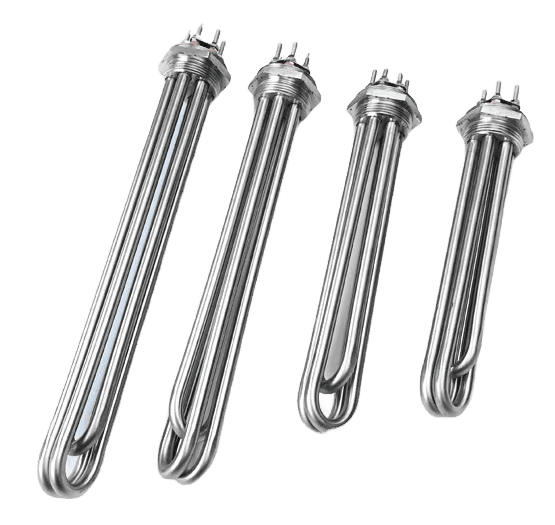
Process Heaters
Screw Plug Heater
View details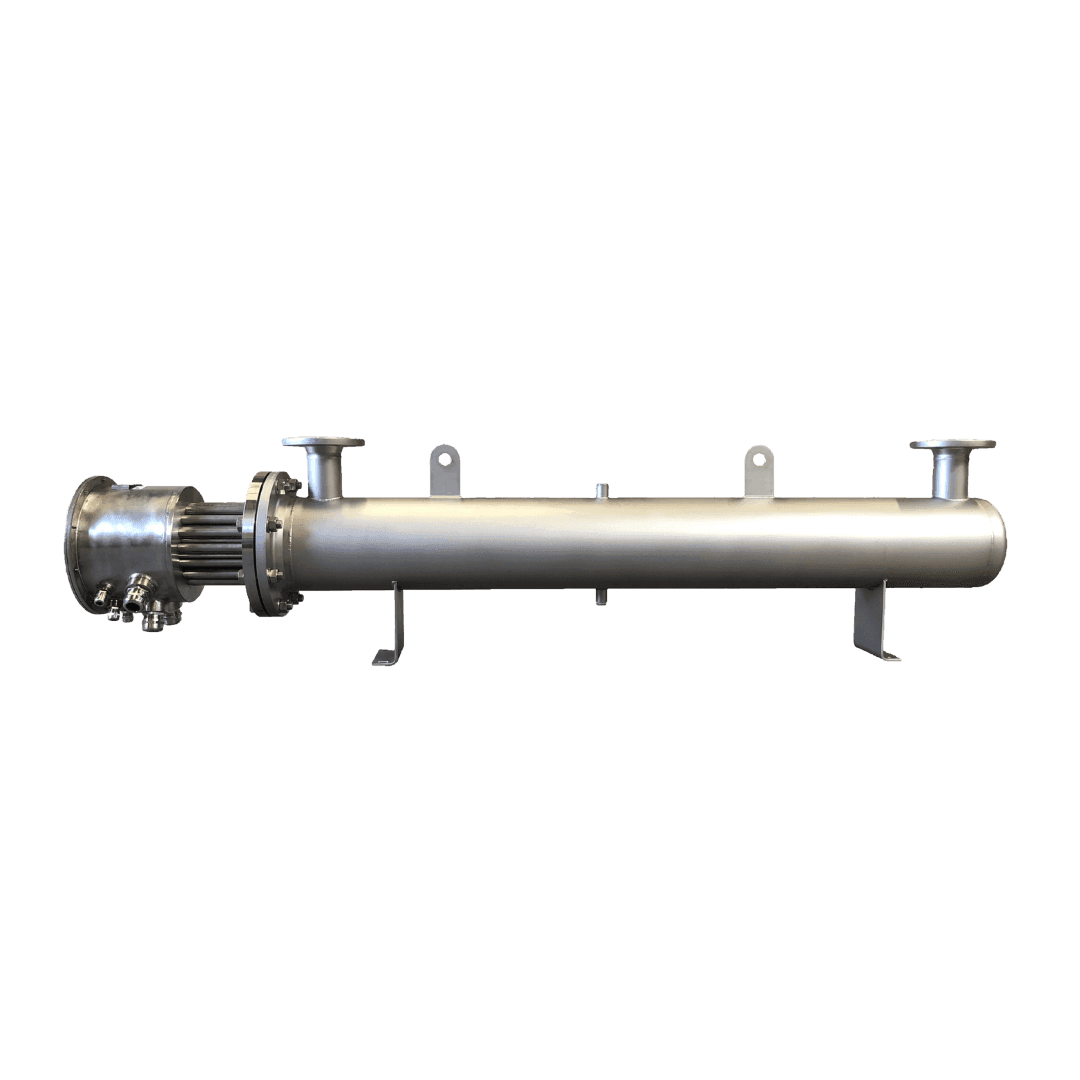
Process Heaters
Circulation Heater
View details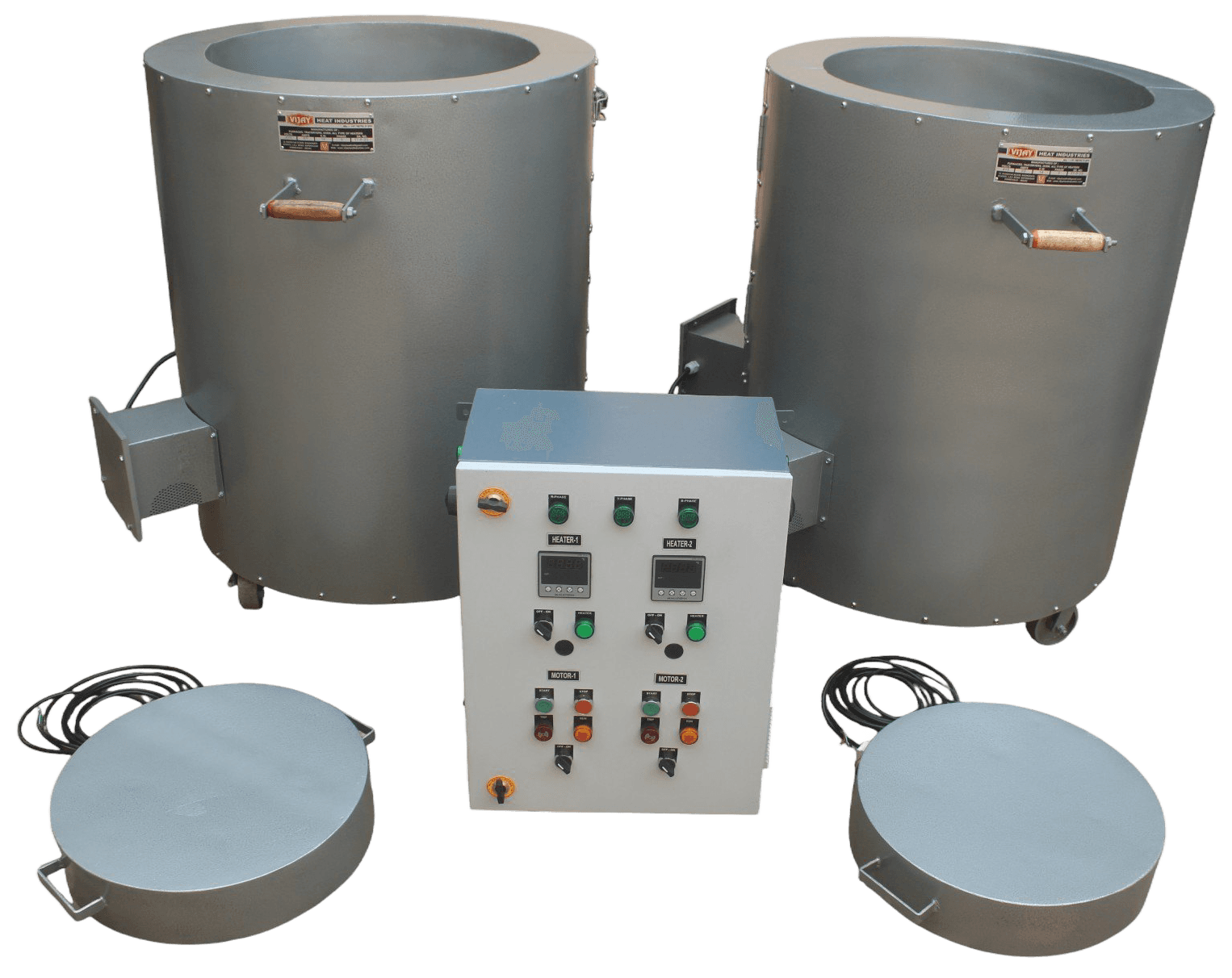
Component Heaters
Flameproof Drum Heater
View details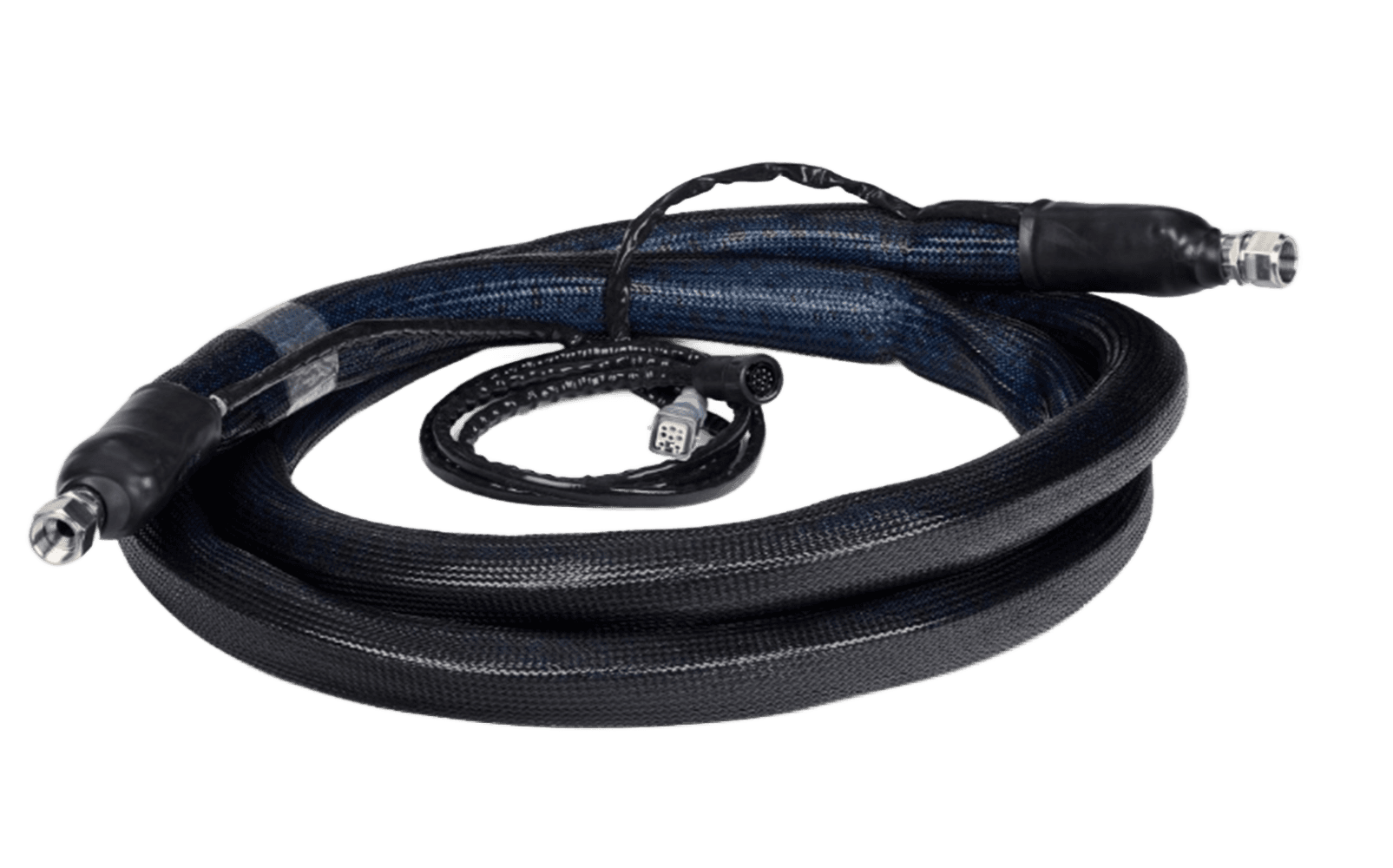
Component Heaters
Hose Pipe Heater
View details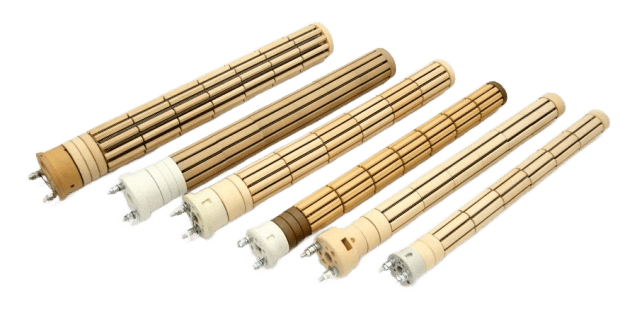
Component Heaters
Bobbin & Pipe Heater
View details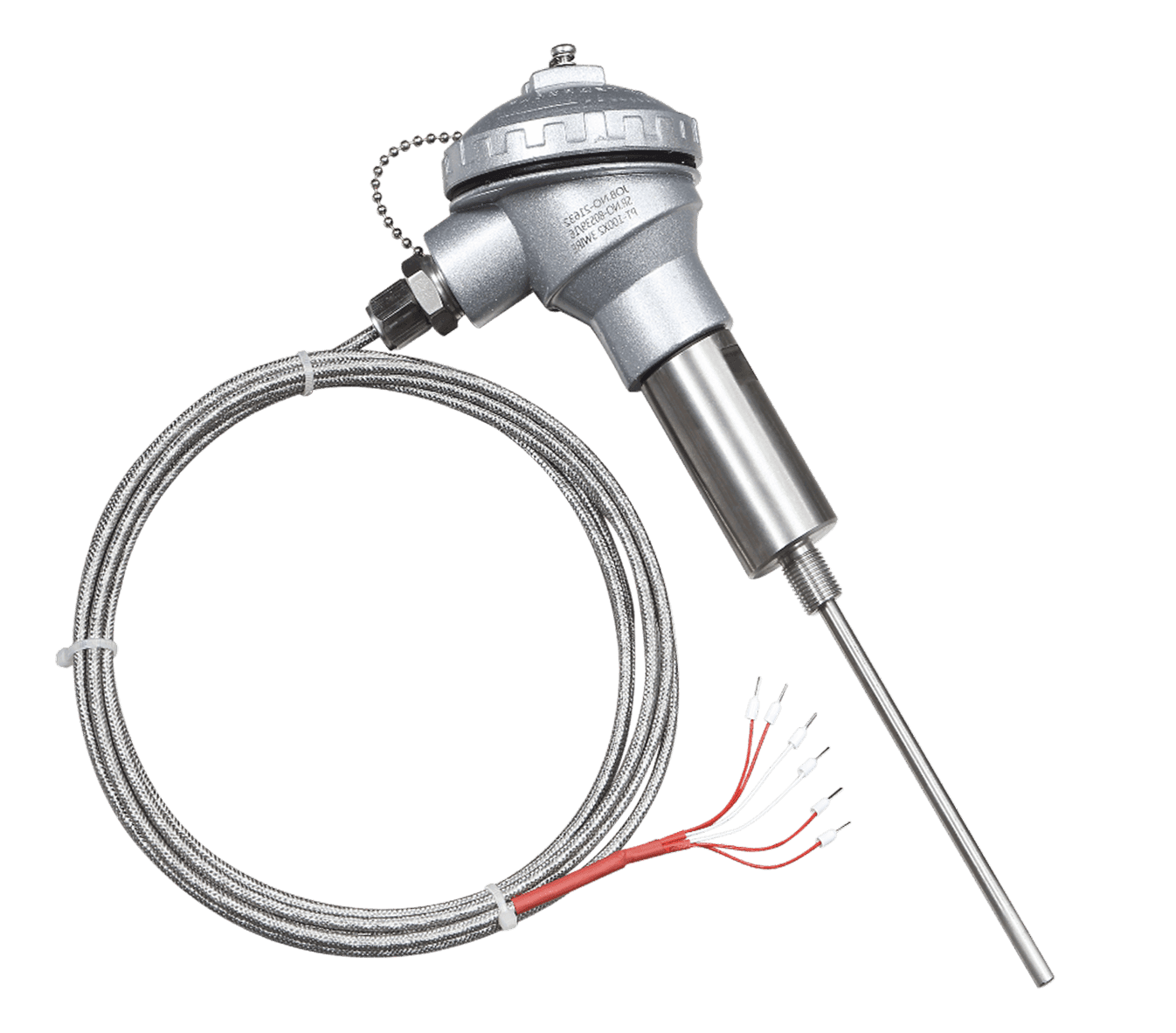
Temperature Sensors
RTD Temperature Sensor
View details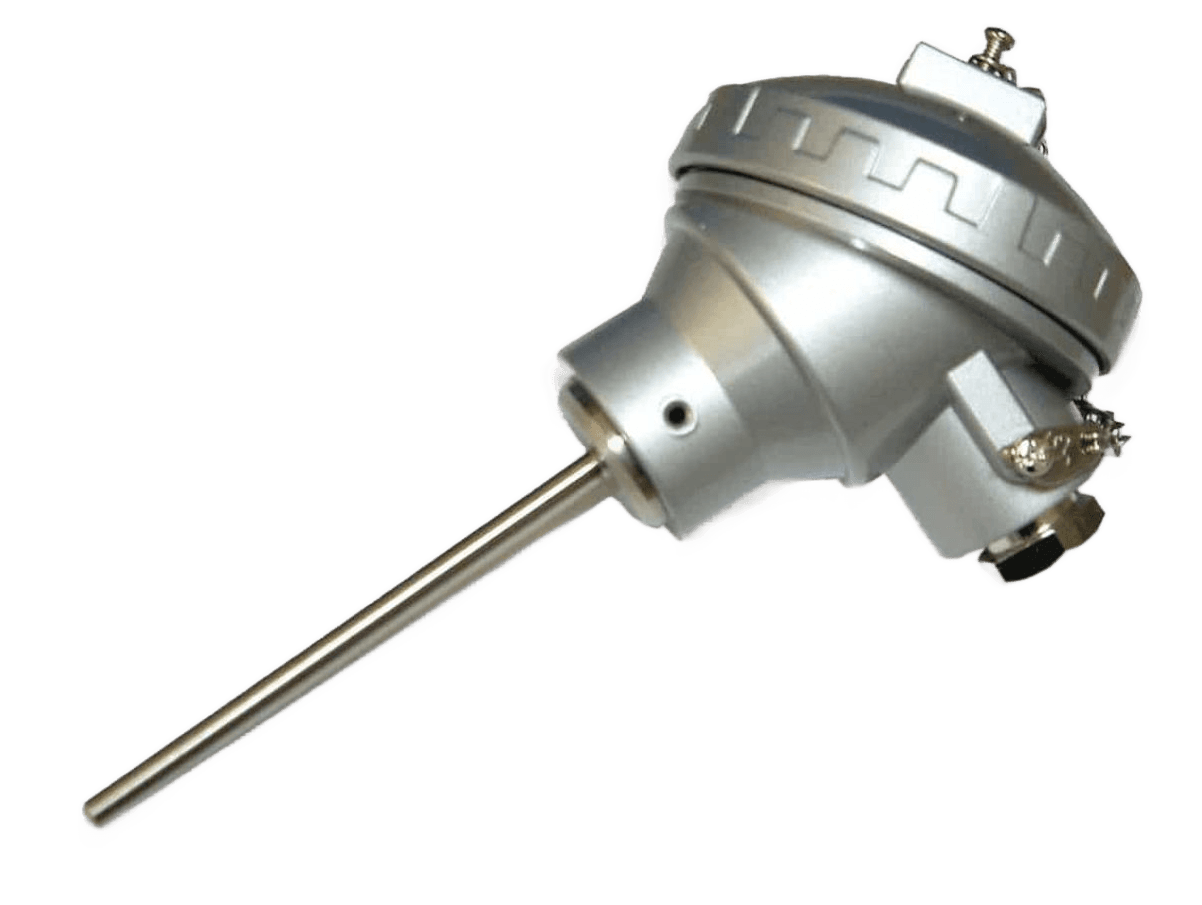
Temperature Sensors
Thermocouple
View detailsWhat to share for an accurate quote
- Area classification
- Safe area or Zone 1 / Zone 2, gas group, temperature class and the certification required.
- Fluid
- Medium, viscosity and any corrosive content.
- Duty
- Flow rate, inlet and outlet temperature, or tank volume and heat-up time.
- Mounting
- Flange size and rating, or screw-plug thread size.
- Materials
- Sheath and wetted-part material preference.
- Electrical and control
- Supply voltage, phases, enclosure IP rating and sensors needed.
Don't have every detail? Send what you know — a photo of the old heater or a rough sketch is enough to start. Send your requirement →
From requirement to installed heater
- 01
Consultation
Understanding your application, environment and thermal requirements.
- 02
Custom Engineering
Precision-calculated specifications tailored to your process.
- 03
Manufacturing
Built in-house under strict quality-control procedures.
- 04
Testing & Validation
Every unit tested under real-world operating conditions.
- 05
Delivery & Support
Installation guidance and ongoing technical support.
Oil, Gas & Energy heating — common questions
It depends on the oil's viscosity and how hot it can safely get at the sheath. Light oils tolerate more than heavy fuel oil or bitumen, which need low watt densities to avoid coking. Share the fluid details and we will size it, or use our watt density calculator for a first check.