

Industry We Serve
Heating Solutions for Steel & Metals
Furnace and process heating for heat-treatment, galvanizing and metal processing lines
Trusted By
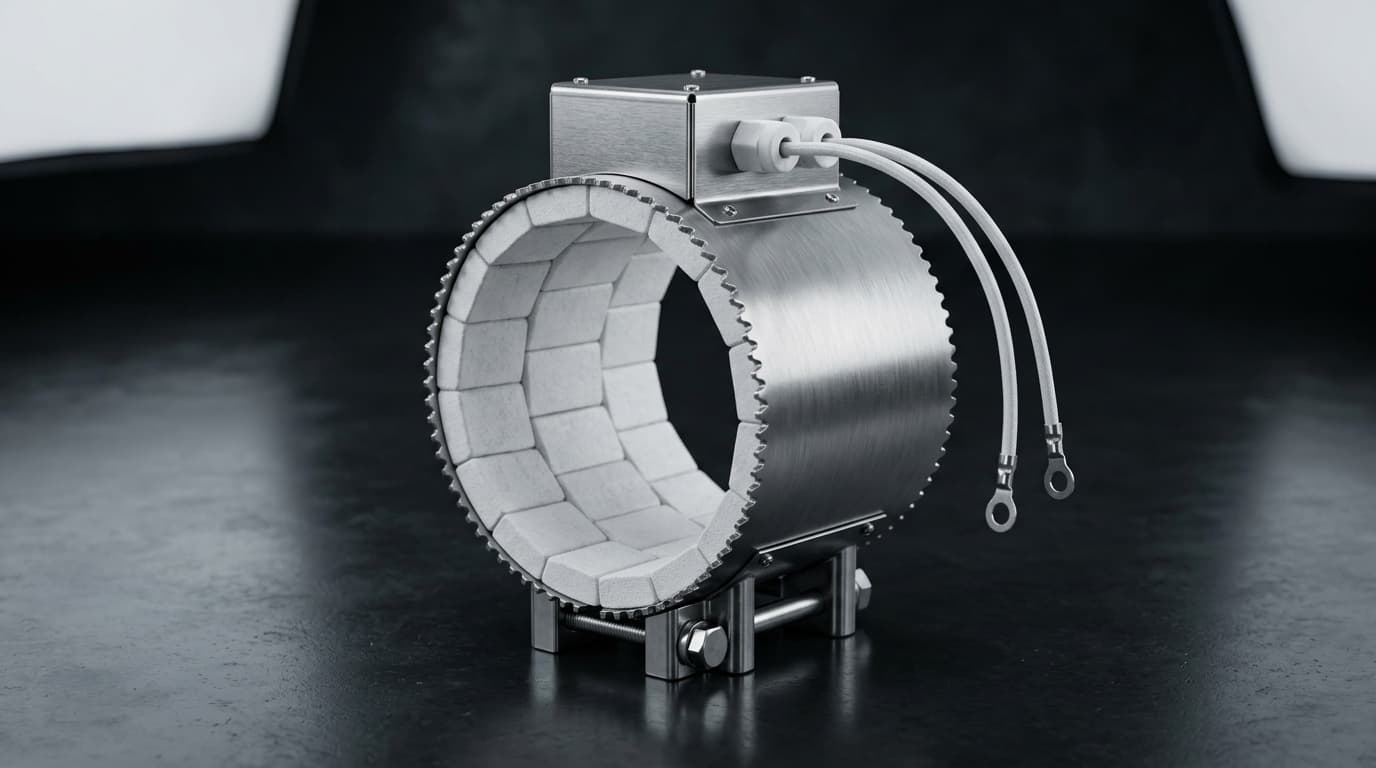
Heat in Steel & Metals
Steel and metal processing runs on precise, sustained high-temperature heat — from bundle rod heaters and radiant tubes inside furnaces to silicon carbide elements in heat-treatment lines. MaxVolt engineers heating systems rated for the continuous-duty, high-watt-density demands of galvanizing, annealing, tempering and melting operations, built to withstand the harsh atmospheres common in metal processing plants.
Metal processing plants run some of the hottest and longest duty cycles in industry. Hardening, annealing, tempering and normalising furnaces hold temperatures between roughly 500 °C and 1,150 °C for hours, while pre-treatment tanks on galvanizing and coating lines need steady liquid heating around the clock.
MaxVolt designs and manufactures furnace elements, radiant tubes, silicon carbide heaters and immersion heaters to suit the furnace geometry, atmosphere and power supply of each line. That covers new furnaces and like-for-like or upgraded replacements for existing ones.
Problems we solve for this industry
Short element life at sustained high temperature
Elements running close to their alloy limit oxidise, sag and fail early, which means unplanned furnace shutdowns.
Our approach: Element alloy, wire or strip size and surface loading are chosen for the actual furnace temperature, with margin, rather than the catalogue maximum.
Aggressive furnace atmospheres
Carburising, nitriding and protective-gas atmospheres attack bare heating elements and contaminate the load.
Our approach: Radiant tubes keep the elements out of the process atmosphere while still heating the chamber by radiation.
Uneven temperature across the load
Cold corners and hot spots lead to inconsistent hardness, distortion and rejected parts.
Our approach: Element layout and heating zones are planned for the chamber, with zone thermocouples so each zone can be controlled on its own.
Long replacement downtime
Rewiring elements inside a furnace takes time and keeps production waiting.
Our approach: Bundle-rod and plug-in radiant tube designs come out as complete assemblies, so a spare can be swapped in quickly.
Applications & recommended heaters
Heat-treatment furnaces
500–1,150 °CHardening, annealing, tempering and normalising in box, pit, bell and continuous furnaces.
Controlled-atmosphere furnaces
Up to ~1,050 °CCarburising, nitriding and bright annealing, where elements must be isolated from the process gas.
High-temperature and sintering furnaces
Up to ~1,500 °CProcesses above the practical range of metallic elements, such as sintering and high-temperature testing.
Galvanizing and coating pre-treatment
40–90 °CDegreasing, pickling-rinse, phosphating and flux tanks ahead of galvanizing or painting.
Furnace temperature measurement
Zone control and load monitoring in furnaces and kilns.
Heaters for Steel & Metals
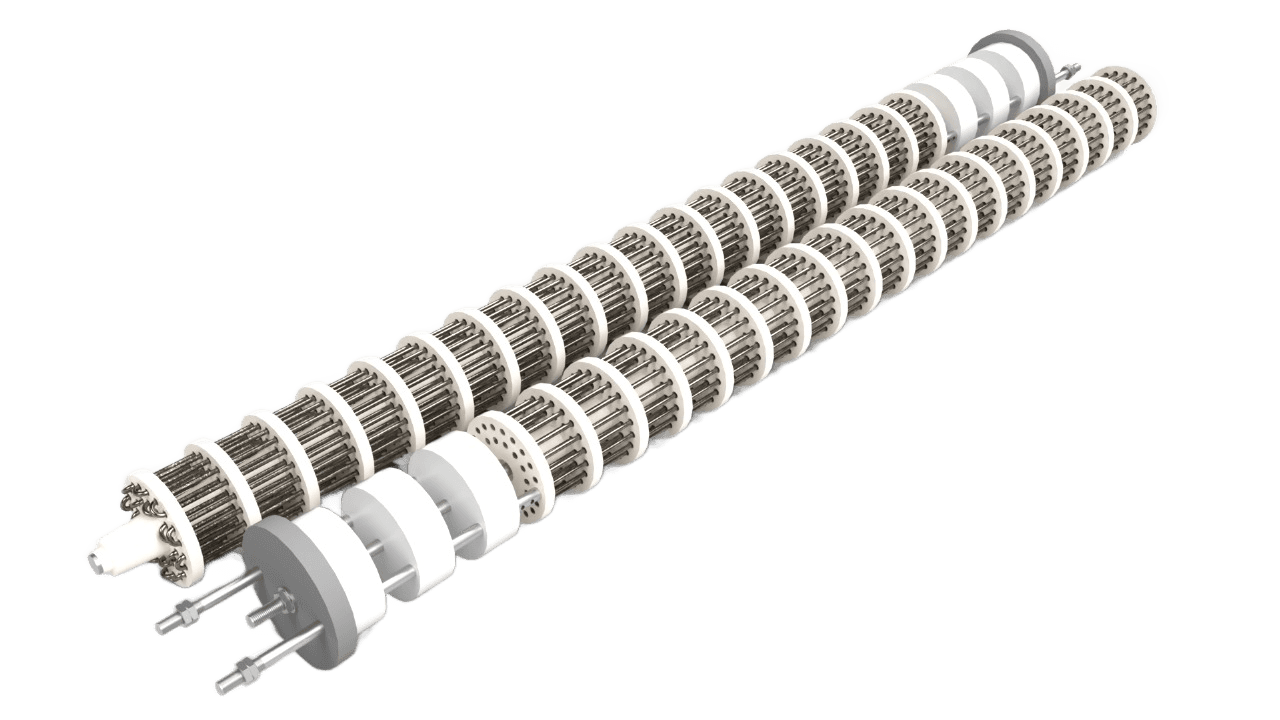
Furnace Heaters
Bundle Rod Heater
View details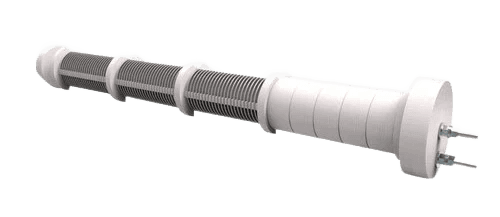
Furnace Heaters
Edge Wound Heater
View details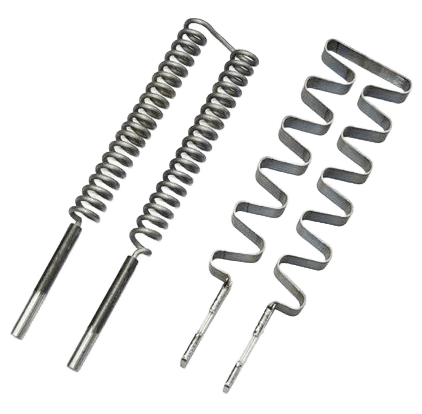
Furnace Heaters
Furnace Strip Heater
View details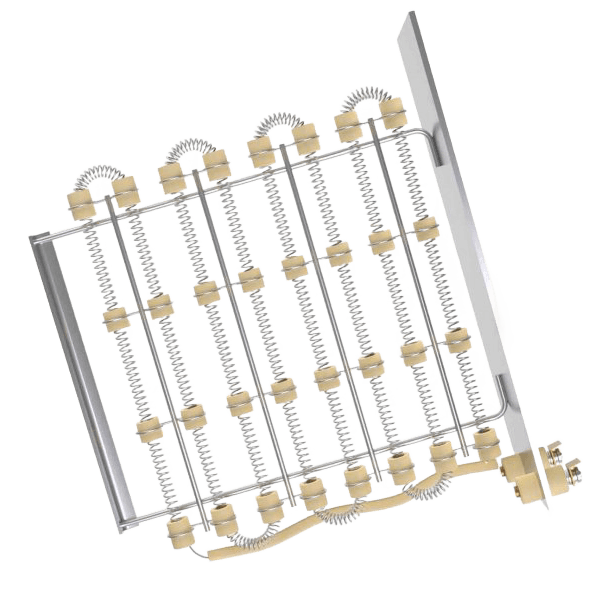
Furnace Heaters
Open Coil Heater | Furnace Coil Heater
View details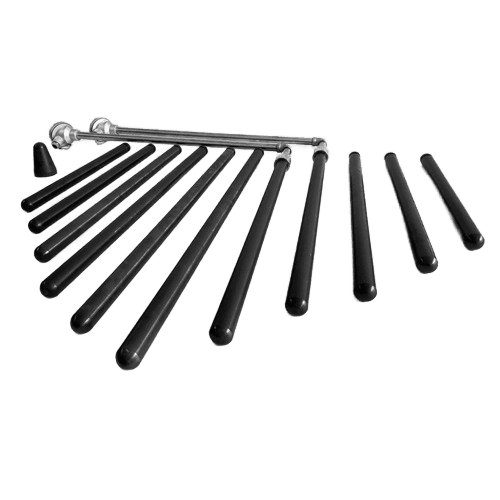
Furnace Heaters
Radiant Tube
View details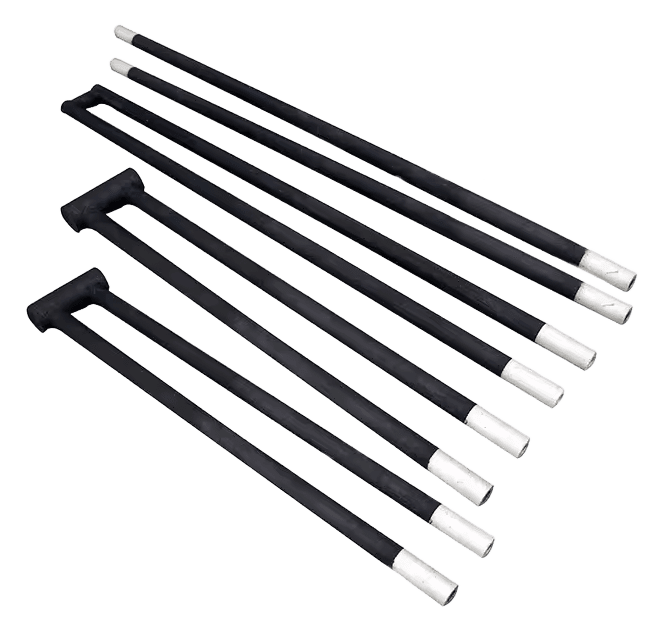
Furnace Heaters
Silicon Carbide Heater
View details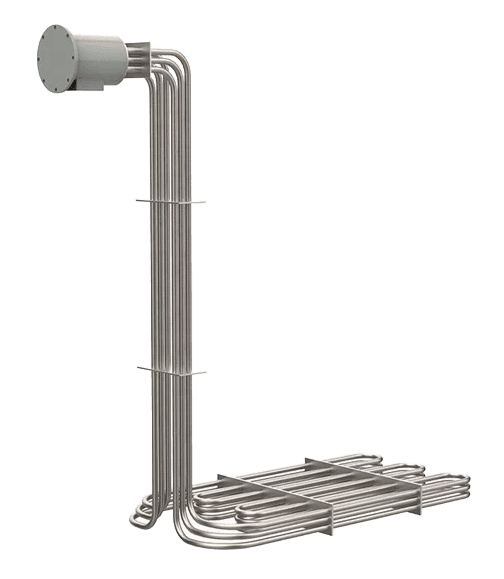
Process Heaters
Over the Side Immersion Heater
View details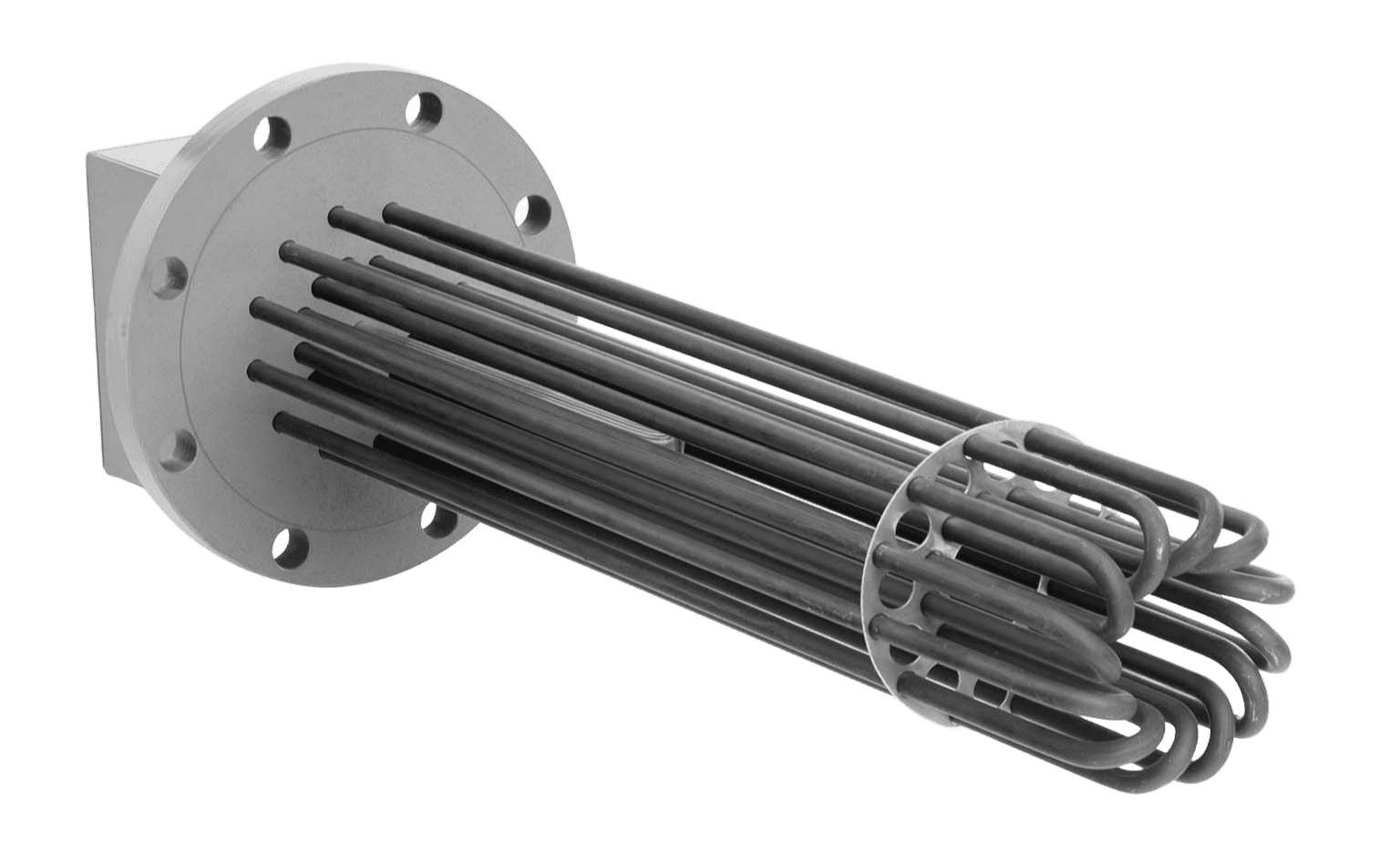
Process Heaters
Flanged Immersion Heater
View details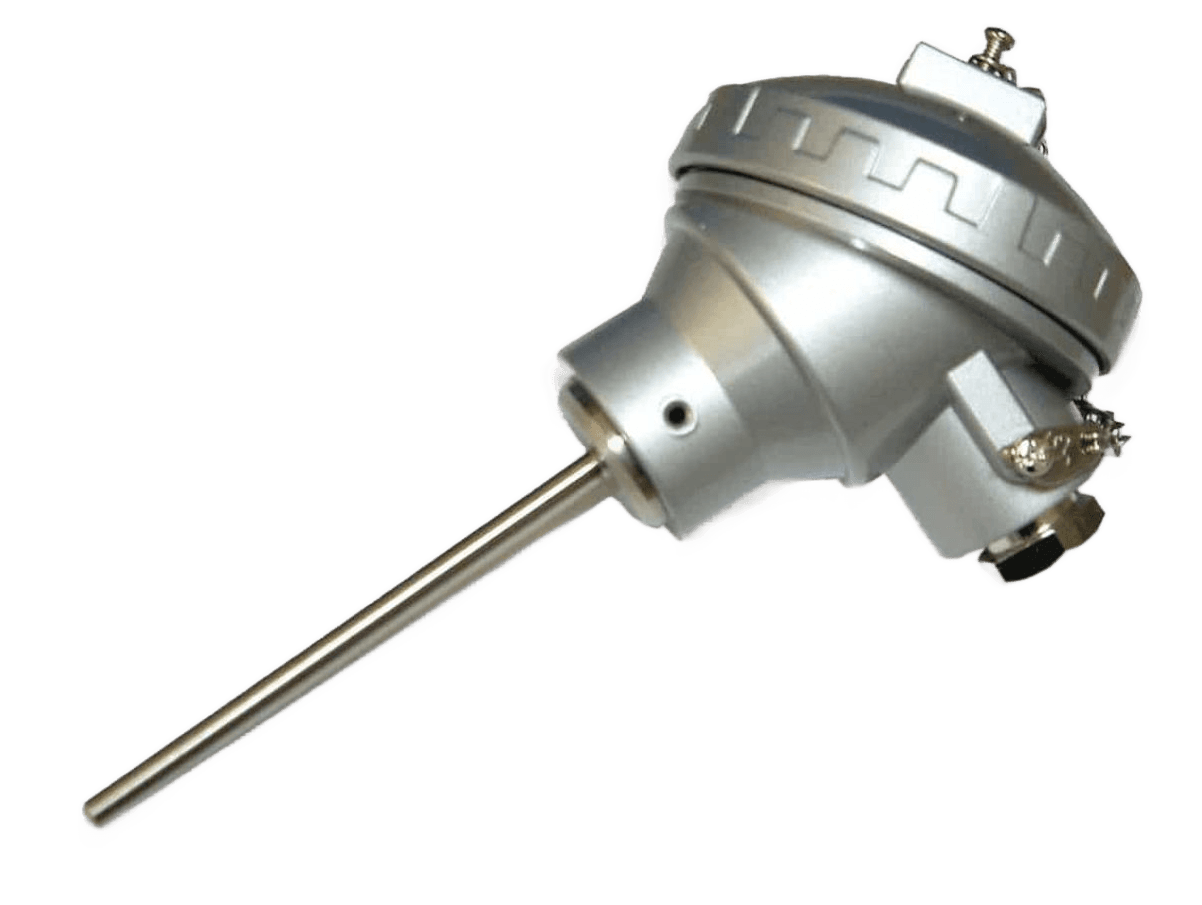
Temperature Sensors
Thermocouple
View detailsWhat to share for an accurate quote
- Process temperature
- Normal operating and maximum furnace temperature.
- Atmosphere
- Air, endothermic gas, nitrogen, hydrogen or vacuum.
- Chamber size
- Internal dimensions and mounting (roof, side wall, floor).
- Power and supply
- kW per zone, voltage, phases and control method (SCR / contactor).
- Existing elements
- For replacements: drawing, photos or the old element's rating.
- Sensors
- Thermocouple type and number of control zones.
Don't have every detail? Send what you know — a photo of the old heater or a rough sketch is enough to start. Send your requirement →
From requirement to installed heater
- 01
Consultation
Understanding your application, environment and thermal requirements.
- 02
Custom Engineering
Precision-calculated specifications tailored to your process.
- 03
Manufacturing
Built in-house under strict quality-control procedures.
- 04
Testing & Validation
Every unit tested under real-world operating conditions.
- 05
Delivery & Support
Installation guidance and ongoing technical support.
Steel & Metals heating — common questions
For most air furnaces up to about 1,150 °C, metallic elements are used: edge-wound or strip elements on the walls, or bundle-rod assemblies that can be removed as one unit. If the furnace runs a protective or reactive atmosphere, radiant tubes keep the elements away from the gas. Above that range, silicon carbide elements are the usual choice.