

Industry We Serve
Heating Solutions for Automotive
Repeatable heat for moulding, paint shops, die-casting and component heat-treatment
Trusted By
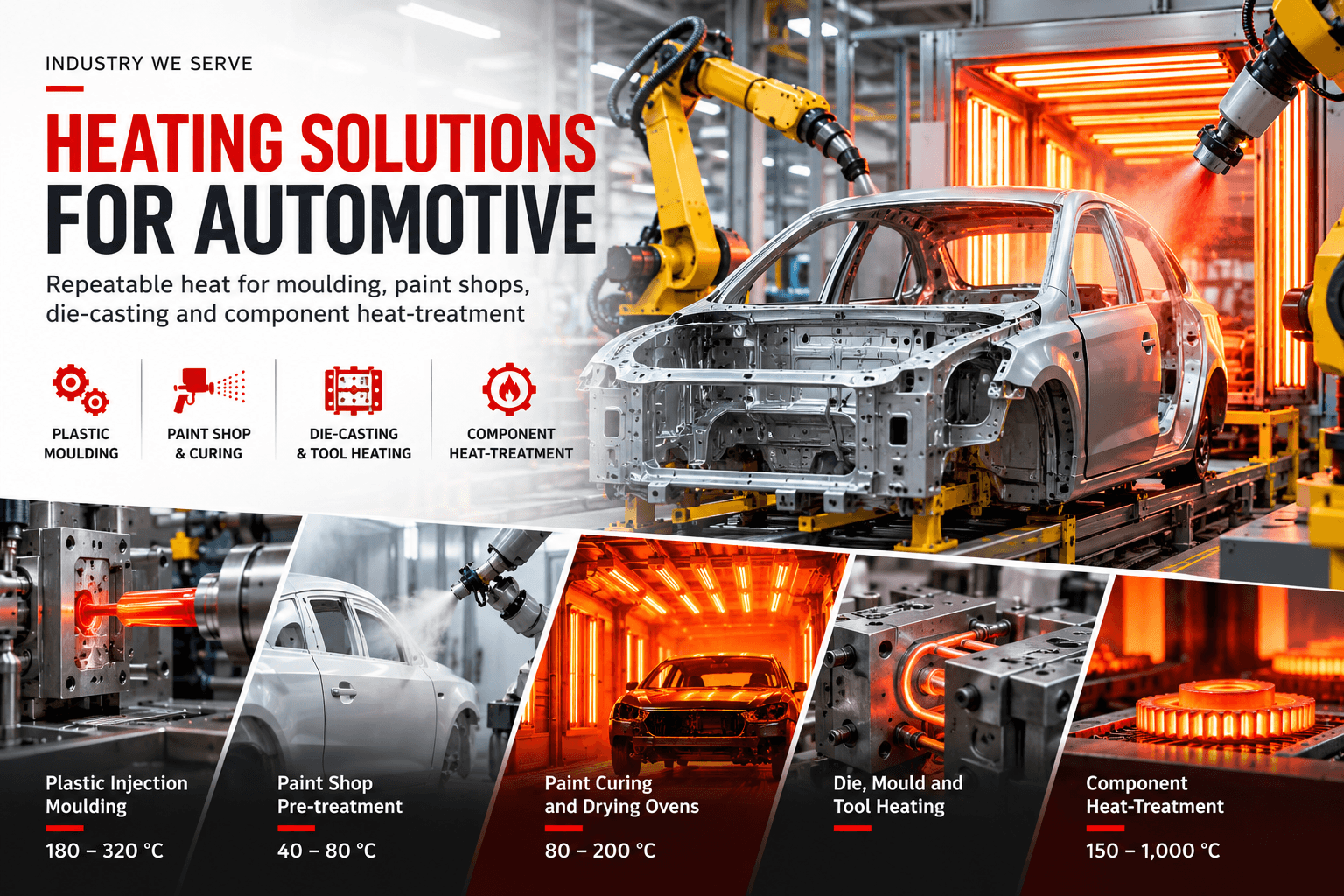
Heat in Automotive
From heat-treating drivetrain components to curing paint on body panels and molding plastic interior parts, automotive manufacturing depends on precise, repeatable heating at every stage. MaxVolt's cartridge and band heaters are engineered for the tight tolerances and continuous-cycle demands of automotive production lines.
Automotive production depends on heat at almost every stage: moulding interior and exterior plastic parts, pre-treating and curing paint on body panels, heating dies and tools, and heat-treating drivetrain components. Every process runs on tight cycle times, so a heater that drifts or fails stops the whole line.
MaxVolt supplies band, cartridge, hot-runner, air and immersion heaters in the sizes OEMs and tier suppliers use every day, along with custom designs for special tools and ovens.
Problems we solve for this industry
Cycle-time pressure
Slow heat-up or unstable barrel and mould temperatures add seconds to every shot and raise scrap rates.
Our approach: Heaters are sized for the required heat-up time, with good thermal contact and correctly placed sensors for stable control.
Uniform paint curing
Uneven oven temperature causes under-cured or over-baked finishes and costly rework.
Our approach: Finned and duct air heaters give even convection, and infrared heaters add targeted, fast cure where it's needed.
Line stoppages from heater failure
A failed band or cartridge heater on a running press means unplanned downtime.
Our approach: Standard sizes can be kept as spares, and heaters are built for continuous duty with suitable terminations for the machine.
Energy use on moulding machines
Barrel heaters lose a large share of their energy to the surroundings.
Our approach: Insulated ceramic band heaters reduce radiated losses compared with bare mica bands.
Applications & recommended heaters
Plastic injection moulding
180–320 °CBarrel, nozzle and hot-runner heating for dashboards, bumpers, trims and connectors.
Paint shop pre-treatment
40–80 °CDegreasing and phosphating tanks before painting or e-coating.
Paint curing and drying ovens
80–200 °CConvection and infrared heating for primer, base coat and clear-coat curing.
Die, mould and tool heating
Pre-heating and holding temperature in die-casting dies, press tools and moulds.
Component heat-treatment
150–1,000 °CHardening and tempering of gears, shafts and fasteners.
Heaters for Automotive
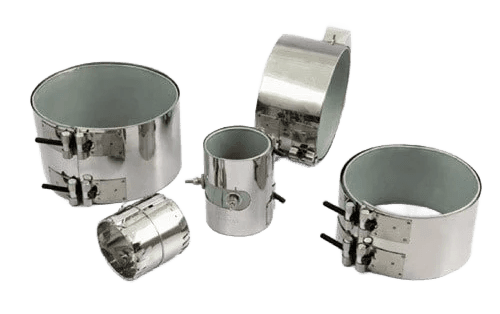
Component Heaters
Mica Band Heater
View details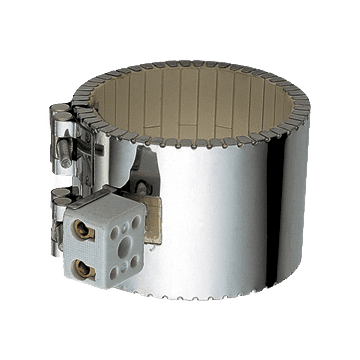
Component Heaters
Ceramic Band Heater
View details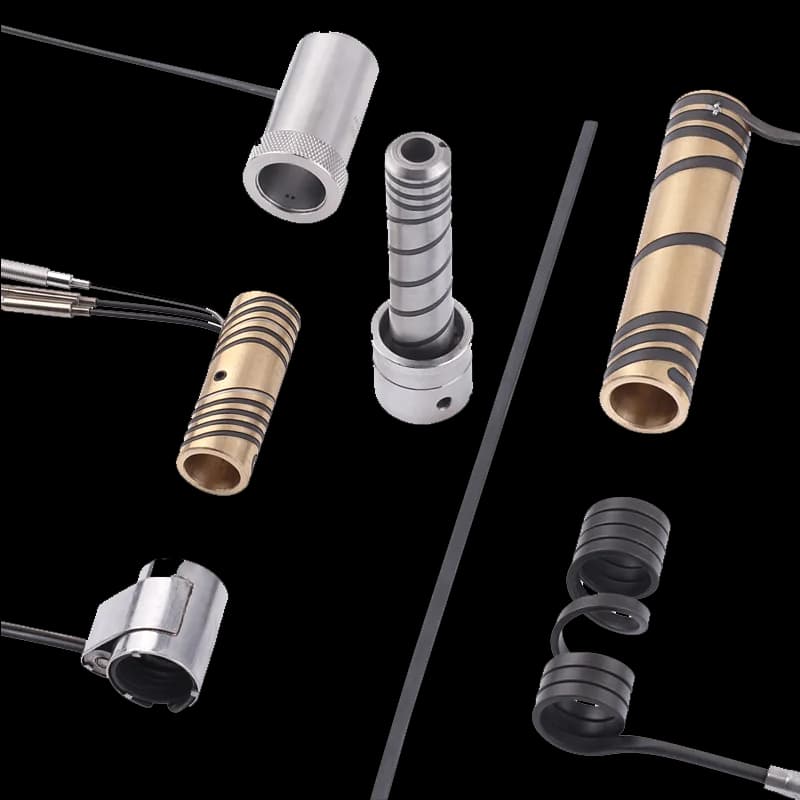
Component Heaters
Coil & Hot Runner Heater
View details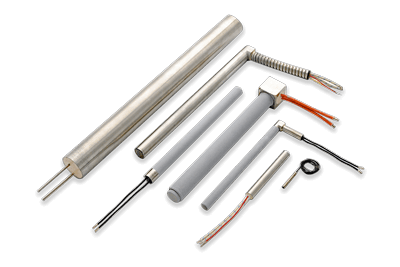
Component Heaters
Cartridge Heater
View details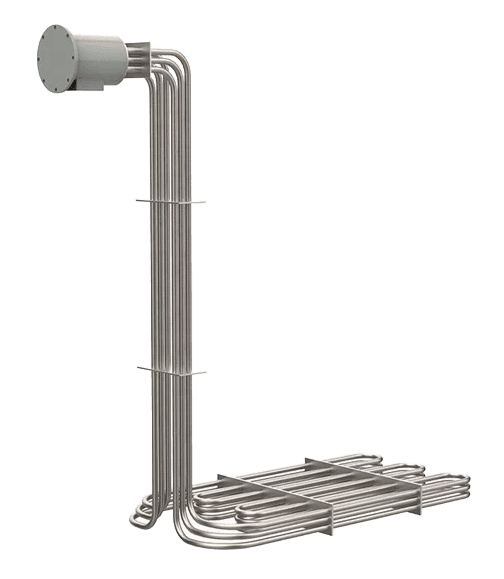
Process Heaters
Over the Side Immersion Heater
View details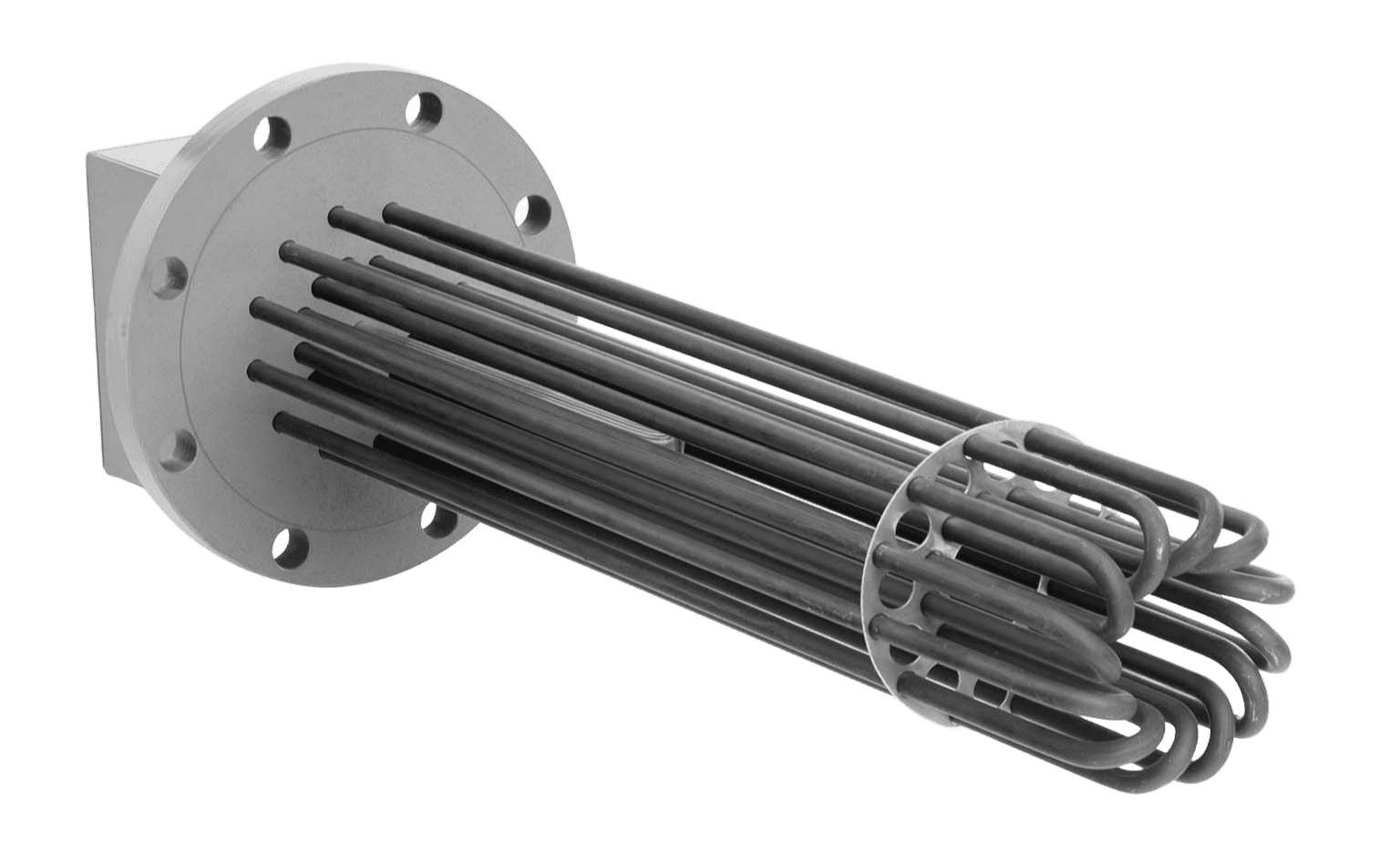
Process Heaters
Flanged Immersion Heater
View details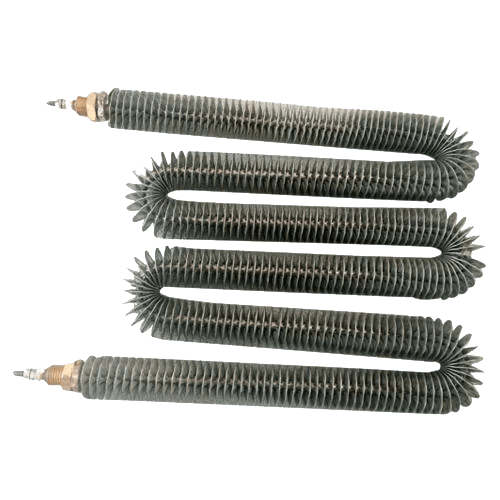
Component Heaters
Finned Tubular Heater
View details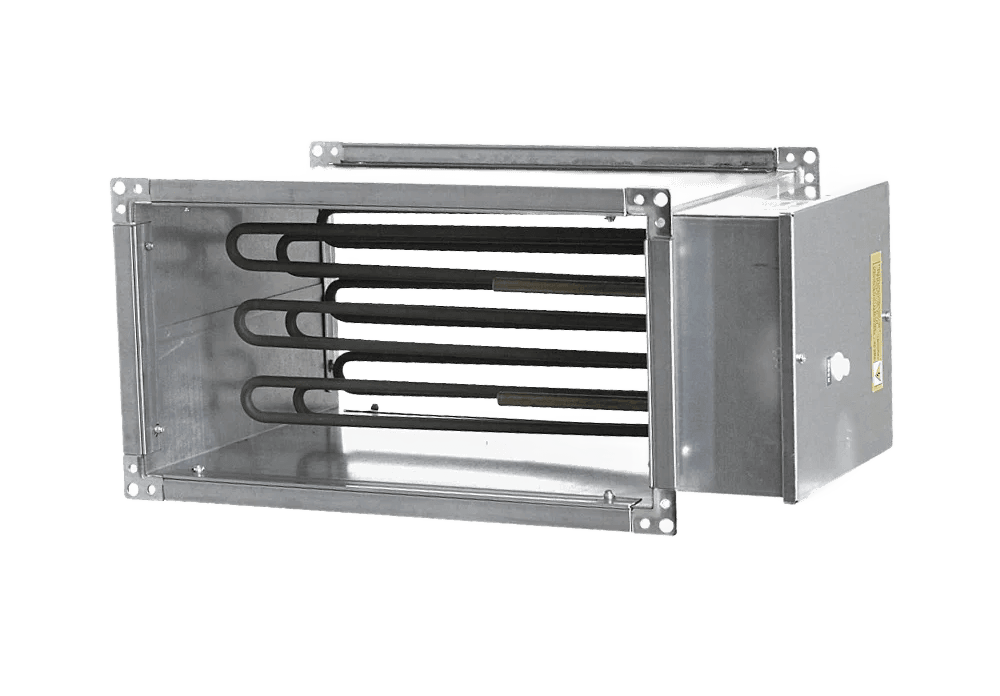
Process Heaters
Duct Heater
View details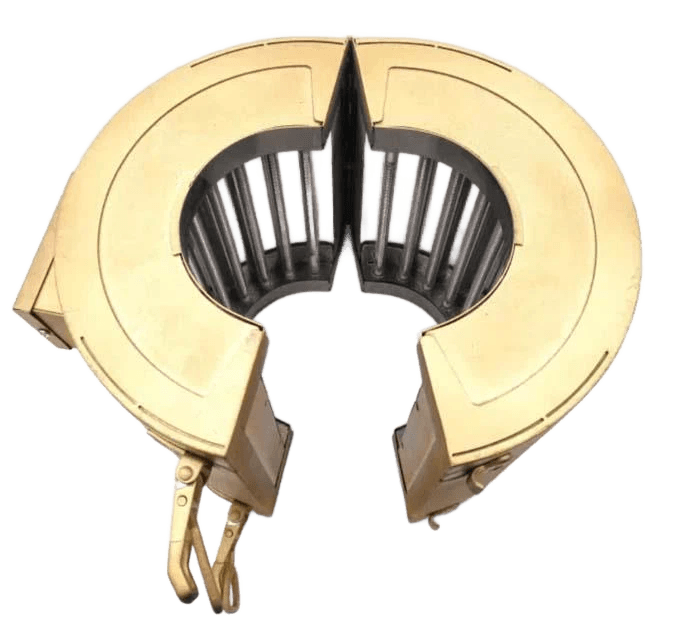
Component Heaters
Nano IR Heater
View detailsWhat to share for an accurate quote
- Machine details
- Barrel diameter and length, or mould and cavity drawings.
- Process temperature
- Operating set-point and required heat-up time.
- Electrical
- Wattage, voltage and lead or terminal type.
- Fit
- Bore tolerance for cartridges, clamping style for bands.
- Sensors
- Built-in thermocouple required or not.
- Quantity
- Pilot quantity and expected annual volume.
Don't have every detail? Send what you know — a photo of the old heater or a rough sketch is enough to start. Send your requirement →
From requirement to installed heater
- 01
Consultation
Understanding your application, environment and thermal requirements.
- 02
Custom Engineering
Precision-calculated specifications tailored to your process.
- 03
Manufacturing
Built in-house under strict quality-control procedures.
- 04
Testing & Validation
Every unit tested under real-world operating conditions.
- 05
Delivery & Support
Installation guidance and ongoing technical support.
Automotive heating — common questions
Mica bands are compact and economical for moderate temperatures. Ceramic bands handle higher temperatures and, with built-in insulation, cut energy losses from the barrel, which suits machines running continuously.