

Industry We Serve
Heating Solutions for Heat Treatment Industry
Furnace elements, radiant tubes and sensors for hardening, carburising, tempering and annealing
What we heat
- Hardening and normalising furnaces800–950 °C
- Carburising and nitriding furnaces500–950 °C
- Tempering and stress-relieving ovens150–700 °C
- Quench oil and washer tanks40–90 °C
- Furnace control and surveys
Heat in Heat Treatment Industry
Heat-treatment shops and captive heat-treatment lines depend on furnaces that hold exact temperatures, cycle after cycle. MaxVolt manufactures furnace elements, radiant tubes, quench-tank heaters and thermocouples for hardening, carburising, nitriding, tempering, annealing and stress-relieving.
Every heat-treatment result — hardness, case depth, grain structure, residual stress — comes down to how accurately the furnace follows its temperature cycle. Uneven heating gives soft spots and distortion; a failed element in the middle of a batch can scrap the whole load.
MaxVolt supplies the heating side of these furnaces: wall and roof elements, removable bundle-rod assemblies, radiant tubes for atmosphere furnaces, recirculating air heaters for tempering ovens and immersion heaters for quench and washer tanks — built new or as replacements for existing furnaces.
Problems we solve for this industry
Temperature uniformity across the load
Cold zones near doors and hearths cause uneven hardness and rejected parts.
Our approach: Element layout and zone wattage are planned for the chamber, with separate control zones and sensors.
Elements attacked by furnace atmosphere
Carburising and nitriding gases shorten the life of exposed elements.
Our approach: Radiant tubes isolate the elements from the process atmosphere.
Quench oil overheating
Too hot a heater surface degrades quench oil and raises fire risk.
Our approach: Low watt-density immersion heaters with over-temperature protection keep the oil within limits.
Downtime for element changes
Rewiring elements inside a furnace stops production for long periods.
Our approach: Bundle-rod and radiant tube assemblies are changed as complete units.
Applications & recommended heaters
Hardening and normalising furnaces
800–950 °CBox, pit, sealed-quench and continuous furnaces for through-hardening and normalising.
Carburising and nitriding furnaces
500–950 °CAtmosphere furnaces where the elements must be kept out of the process gas.
Tempering and stress-relieving ovens
150–700 °CRecirculating-air ovens for tempering, ageing and stress relief.
Quench oil and washer tanks
40–90 °CKeeping quench oil and parts-washing solutions at working temperature.
Furnace control and surveys
Control, over-temperature and load thermocouples for every zone.
Heaters for Heat Treatment Industry
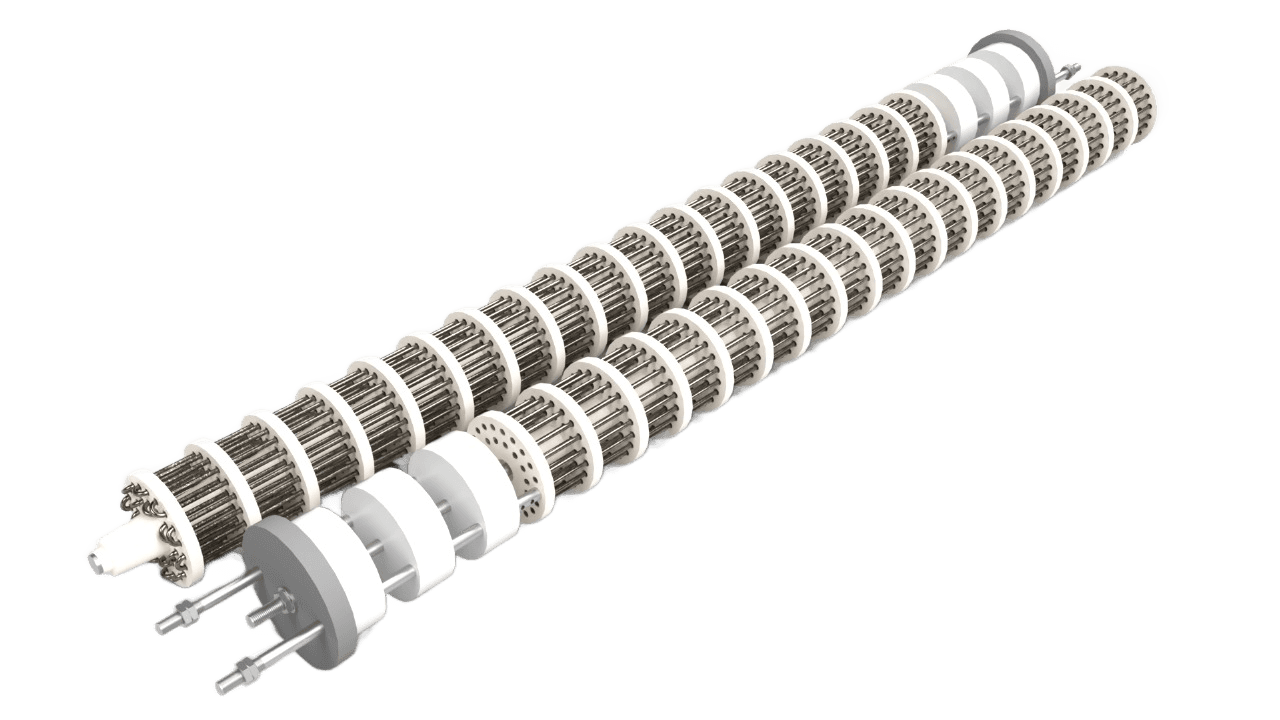
Furnace Heaters
Bundle Rod Heater
View details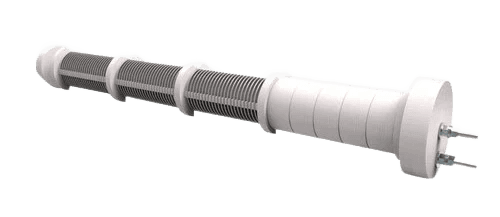
Furnace Heaters
Edge Wound Heater
View details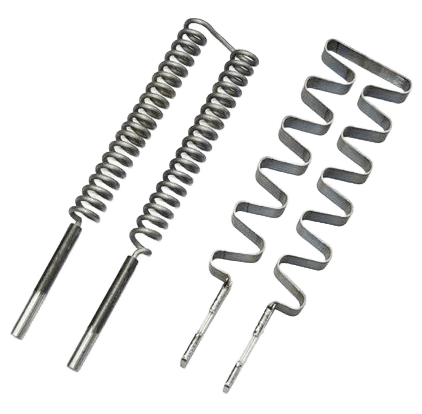
Furnace Heaters
Furnace Strip Heater
View details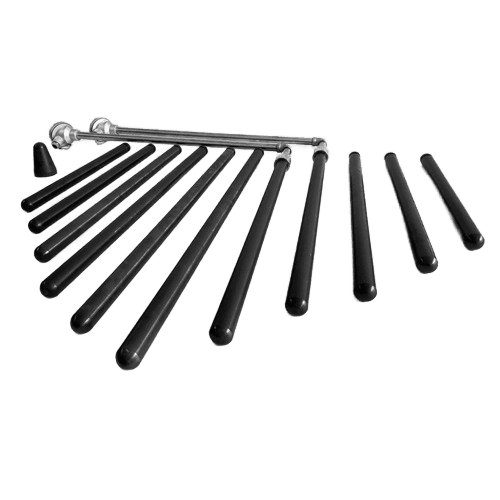
Furnace Heaters
Radiant Tube
View details
Furnace Heaters
Open Coil Heater | Furnace Coil Heater
View details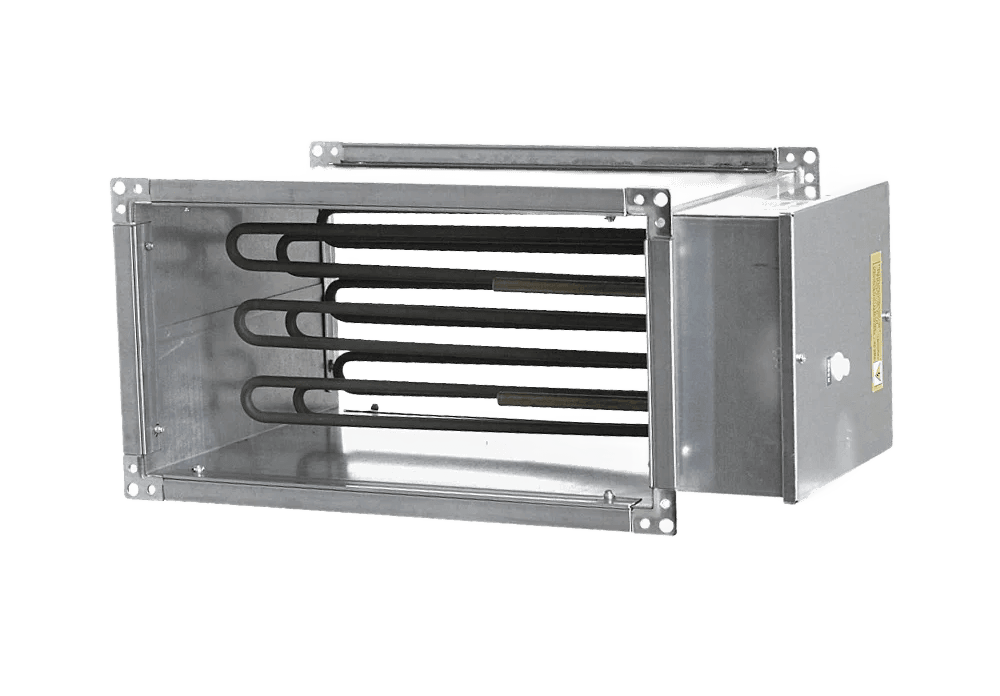
Process Heaters
Duct Heater
View details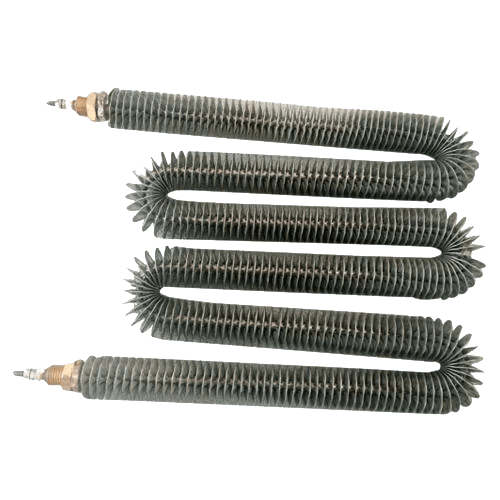
Component Heaters
Finned Tubular Heater
View details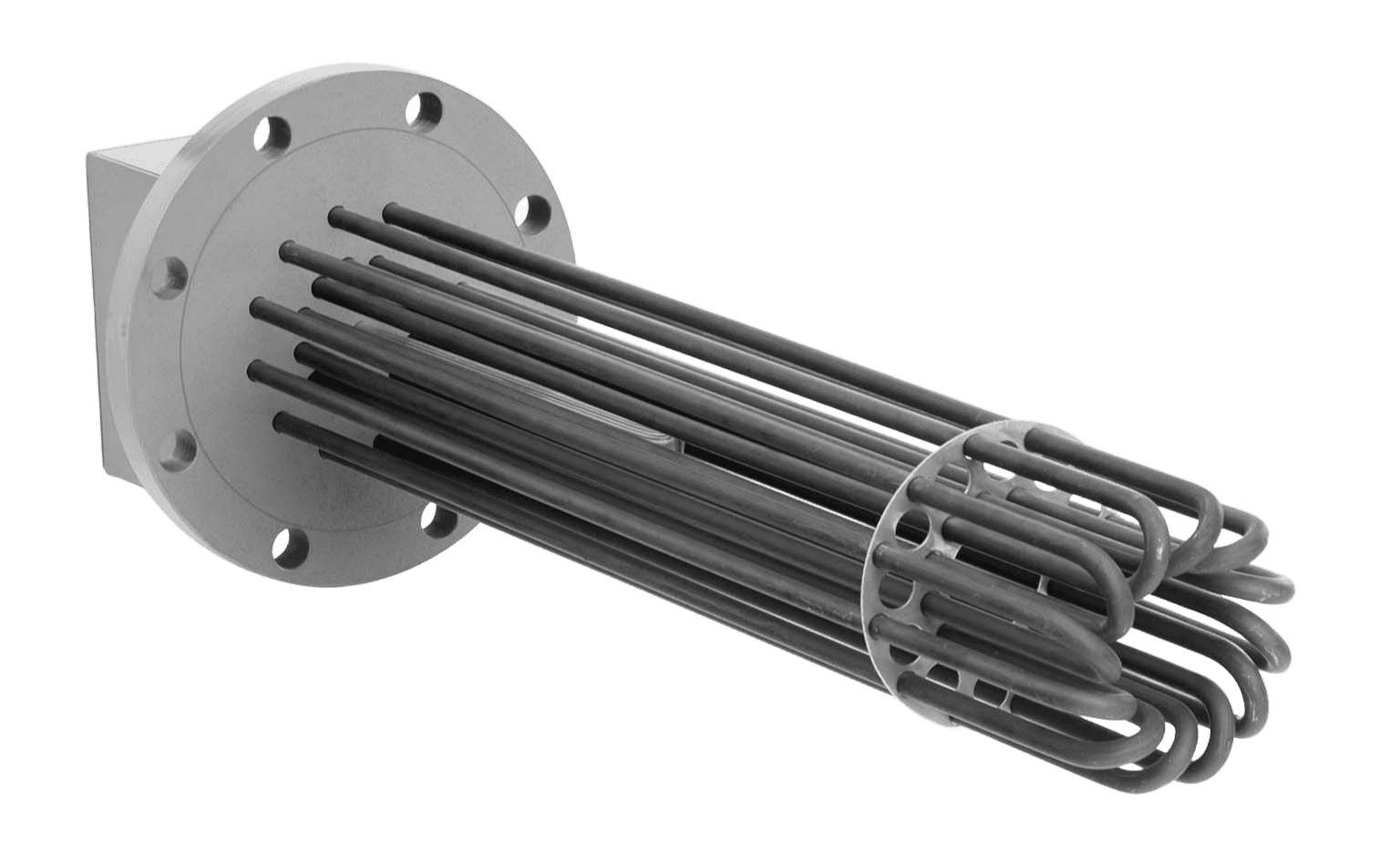
Process Heaters
Flanged Immersion Heater
View details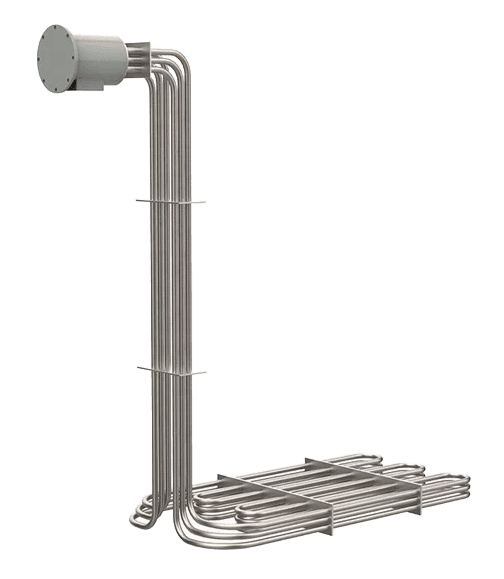
Process Heaters
Over the Side Immersion Heater
View detailsWhat to share for an accurate quote
- Process
- Treatment type, operating and maximum temperature.
- Atmosphere
- Air, endothermic, nitrogen, ammonia or vacuum.
- Furnace
- Type, chamber size and where elements are mounted.
- Power
- kW per zone, voltage, phases and control (SCR / contactor).
- Replacements
- Drawing or photos of the existing elements.
Don't have every detail? Send what you know — a photo of the old heater or a rough sketch is enough to start. Send your requirement →
From requirement to installed heater
- 01
Consultation
Understanding your application, environment and thermal requirements.
- 02
Custom Engineering
Precision-calculated specifications tailored to your process.
- 03
Manufacturing
Built in-house under strict quality-control procedures.
- 04
Testing & Validation
Every unit tested under real-world operating conditions.
- 05
Delivery & Support
Installation guidance and ongoing technical support.
Heat Treatment Industry heating — common questions
Open elements heat faster and cost less, and suit air furnaces. If the furnace runs a carburising, nitriding or protective atmosphere, radiant tubes protect the elements and keep the load clean.