

Industry We Serve
Heating Solutions for Chemical Industry
Immersion, circulation, drum and pipe heaters for corrosive and hazardous chemical processes
What we heat
- Reactor and vessel heating
- Plating, pickling and treatment tanks30–95 °C
- Drum and container heating
- Pipeline and hose heating
- Temperature measurement
Heat in Chemical Industry
Chemical plants heat reactors, storage tanks, drums, pipelines and process fluids — often with corrosive media and in hazardous areas. MaxVolt designs immersion, circulation, drum and pipe heaters with sheath materials, watt densities and enclosures chosen for the chemical and the site.
In chemical processing, the wrong heater can corrode within weeks, degrade a temperature-sensitive product or create an ignition risk. Getting the sheath material, surface temperature and enclosure right matters as much as the wattage.
MaxVolt engineers each heater around the chemical, the process temperature and the area classification you specify — for reactors, tanks, drums, transfer lines and thermic fluid systems.
Problems we solve for this industry
Corrosive media
Acids, alkalis and solvents attack standard heater sheaths.
Our approach: Sheath alloy or protective sheathing is chosen for the specific chemical and temperature.
Hazardous areas
Flammable vapours mean heaters must not become an ignition source.
Our approach: Flameproof enclosures and surface-temperature limits designed to your area classification.
Heat-sensitive products
Polymers and resins can degrade or char on a hot heater surface.
Our approach: Low watt-density designs and indirect heating through thermic fluid.
Viscous materials
Thick chemicals in drums and lines won't flow when cold.
Our approach: Drum, pipe and hose heaters keep them at pumping temperature.
Applications & recommended heaters
Reactor and vessel heating
Direct immersion heating or thermic-fluid heating for jacketed reactors.
Plating, pickling and treatment tanks
30–95 °CHeating corrosive baths for plating, pickling, etching and surface treatment.
Drum and container heating
Warming drums of resins, waxes and viscous chemicals, including in hazardous areas.
Pipeline and hose heating
Keeping transfer lines and hoses above the freezing or pour point.
Temperature measurement
Process and over-temperature sensing for tanks, reactors and lines.
Heaters for Chemical Industry
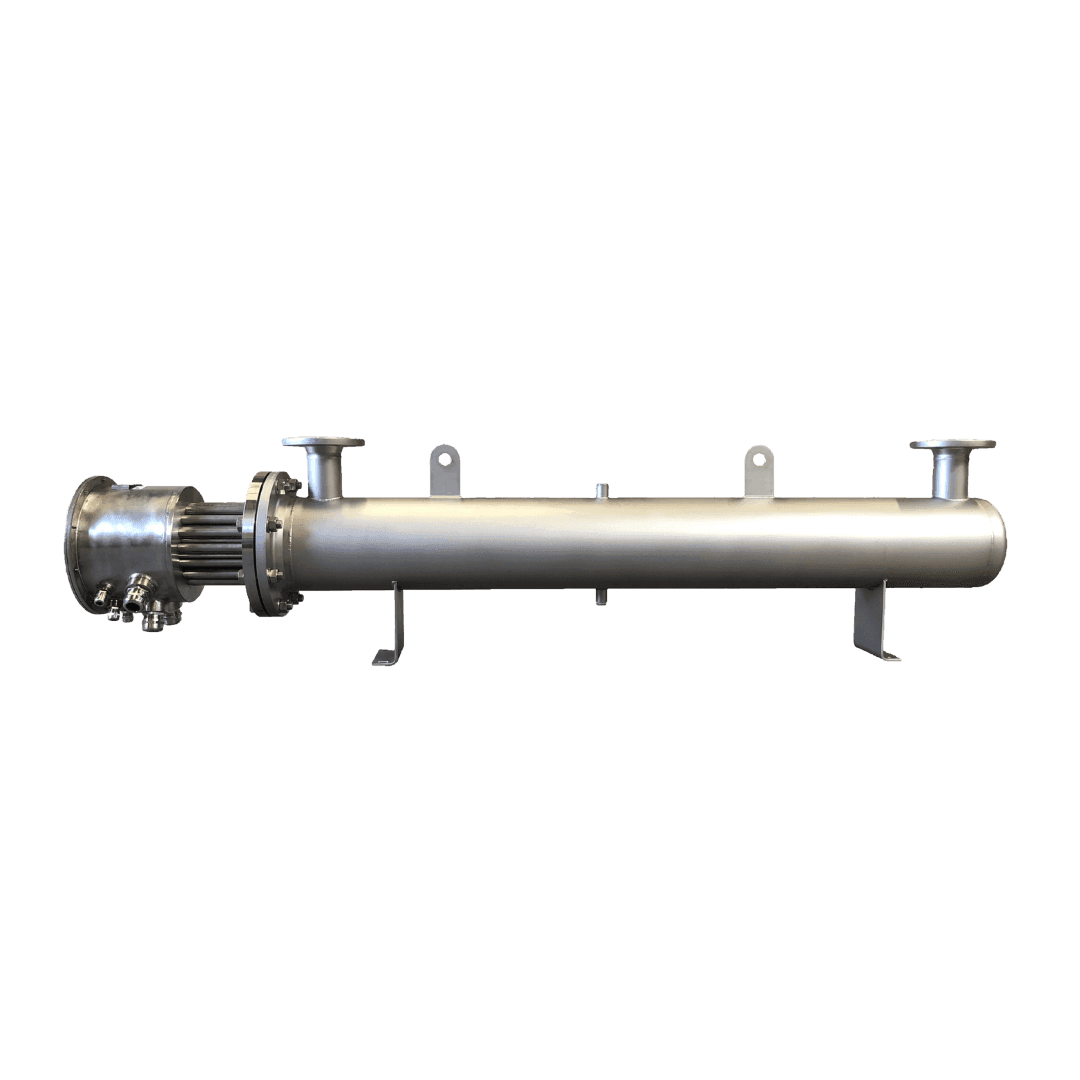
Process Heaters
Circulation Heater
View details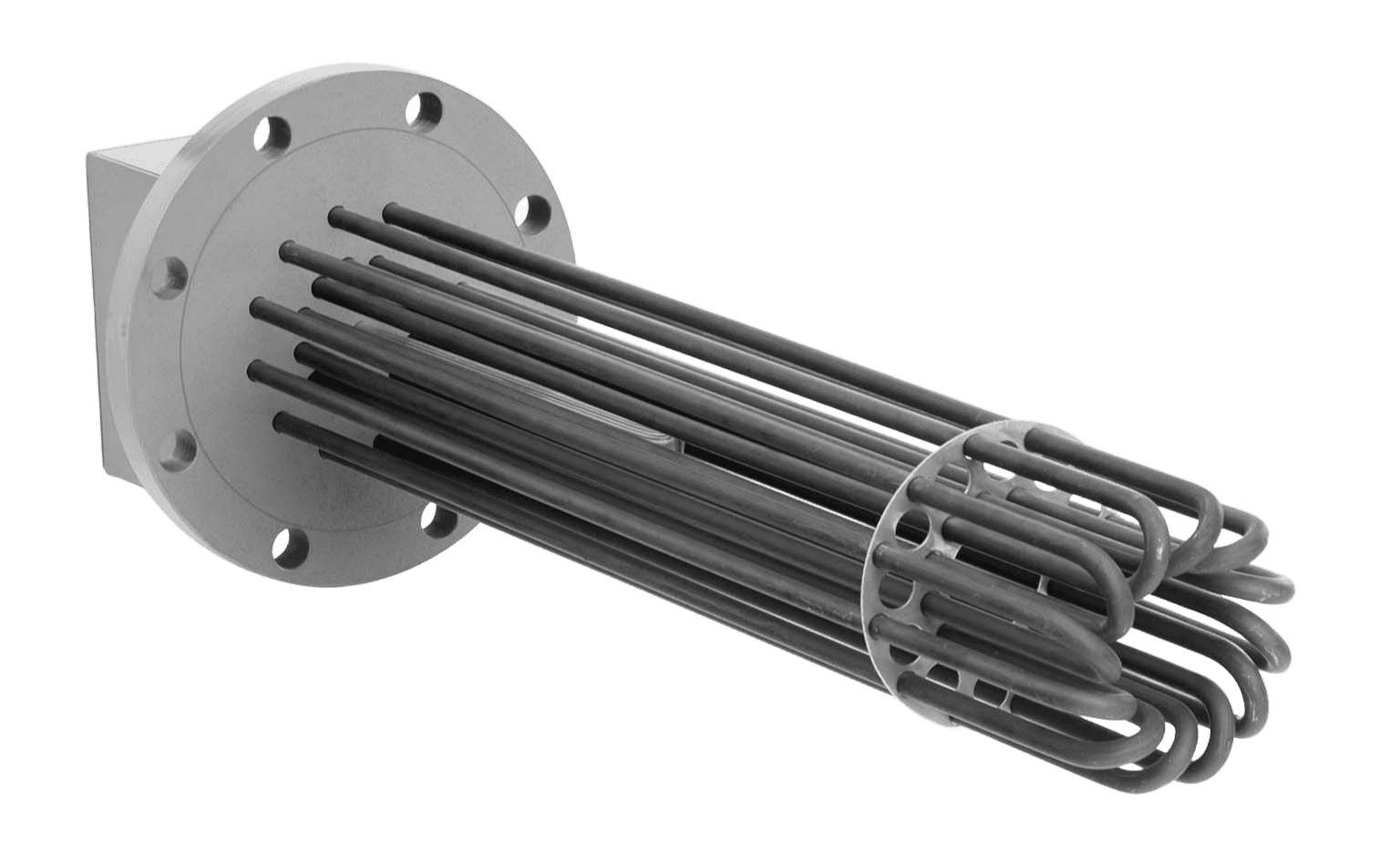
Process Heaters
Flanged Immersion Heater
View details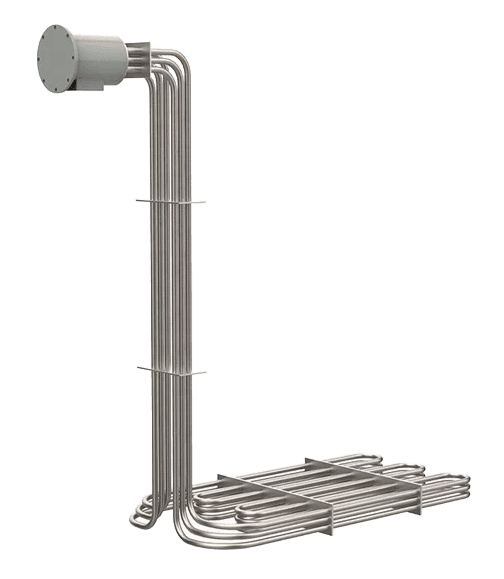
Process Heaters
Over the Side Immersion Heater
View details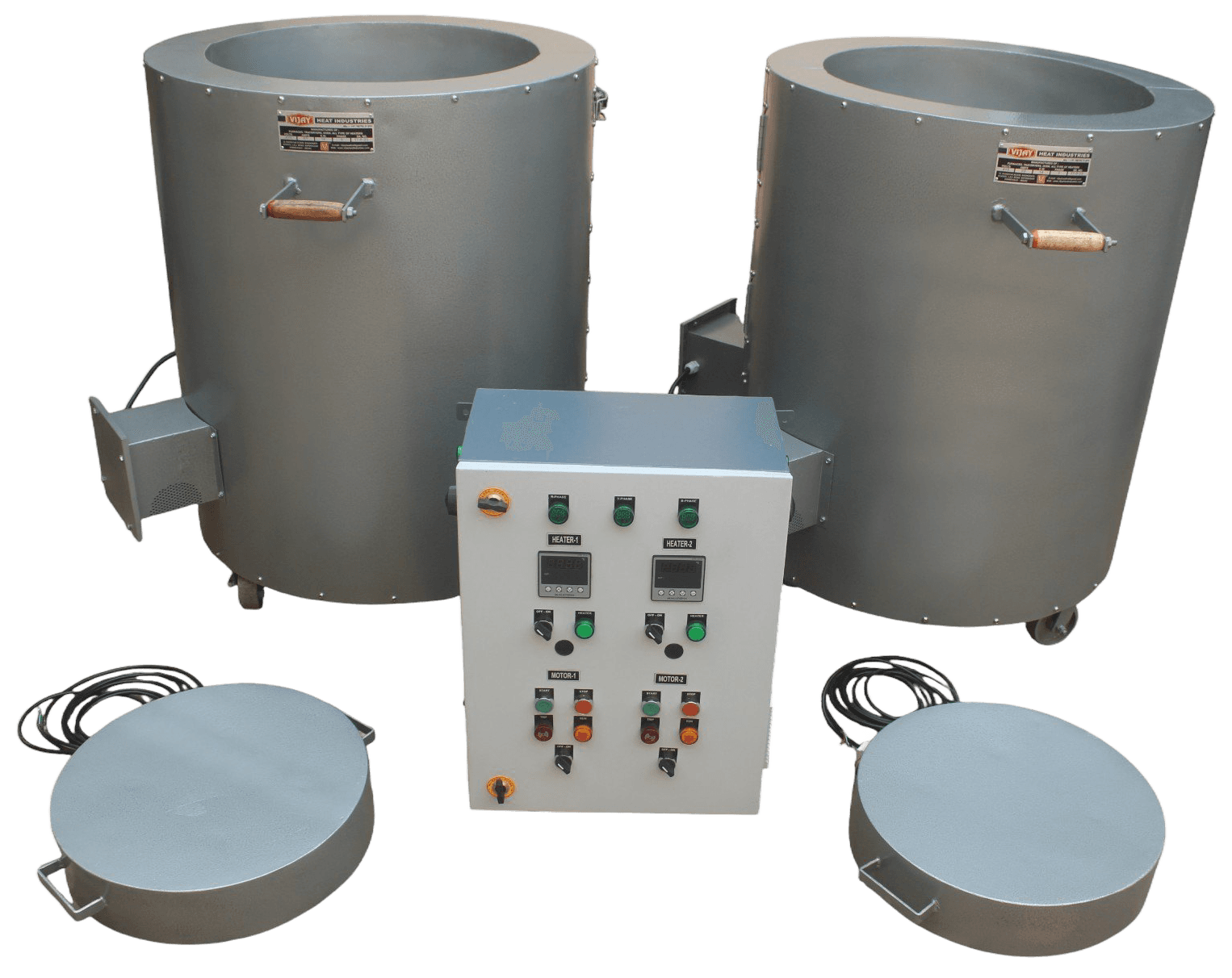
Component Heaters
Flameproof Drum Heater
View details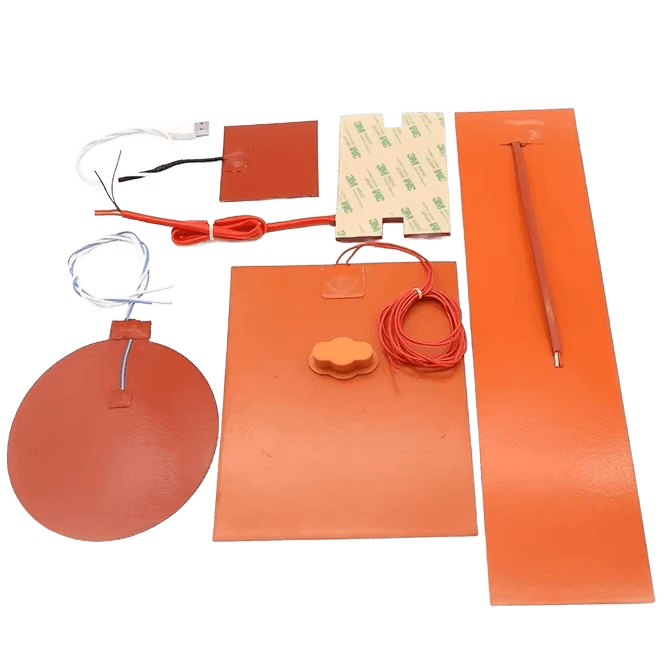
Component Heaters
Silicone Rubber Heater
View details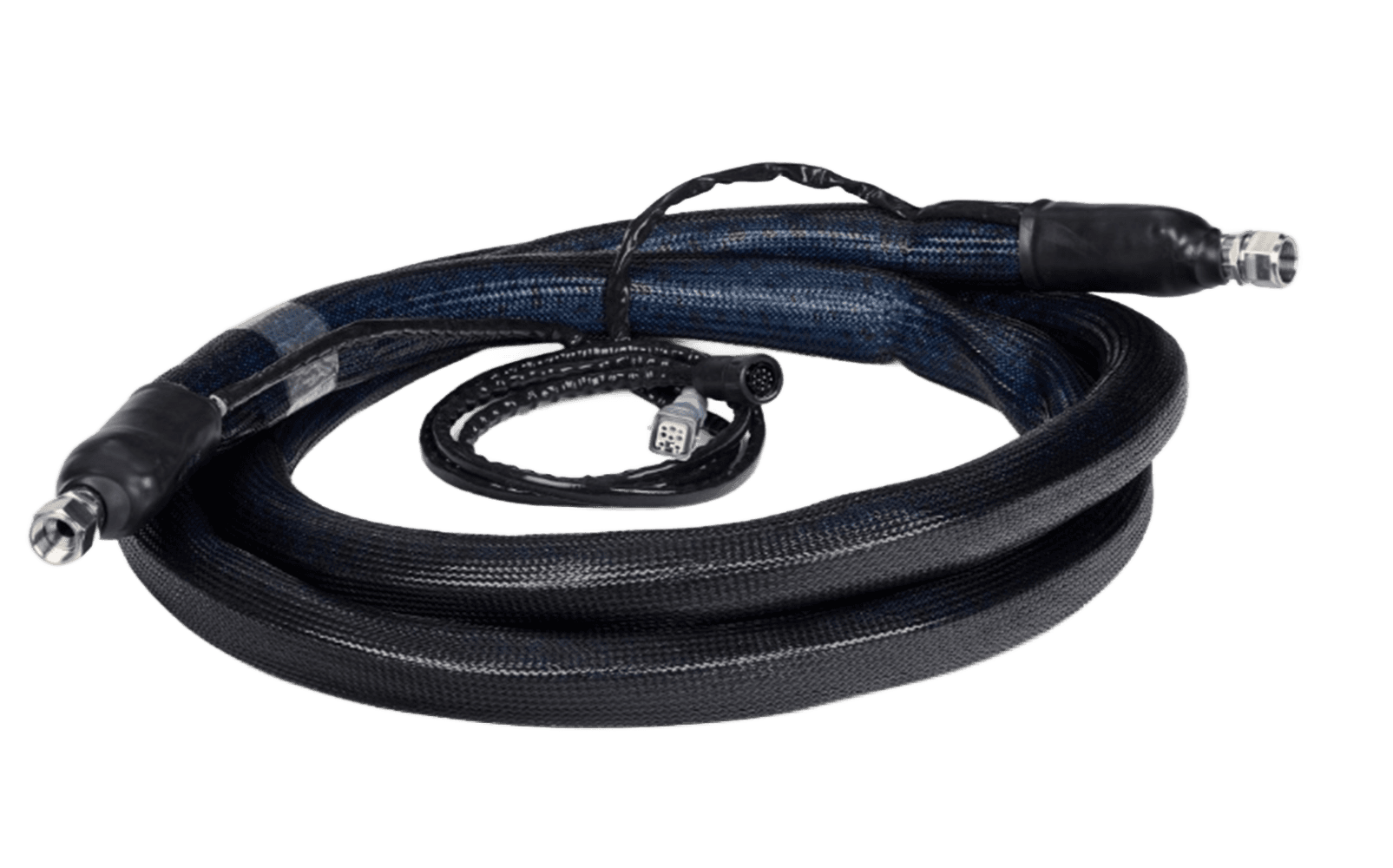
Component Heaters
Hose Pipe Heater
View details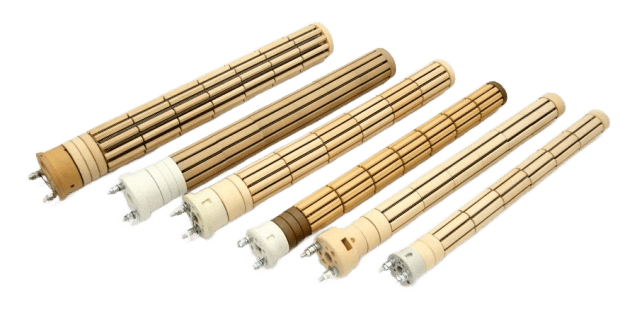
Component Heaters
Bobbin & Pipe Heater
View details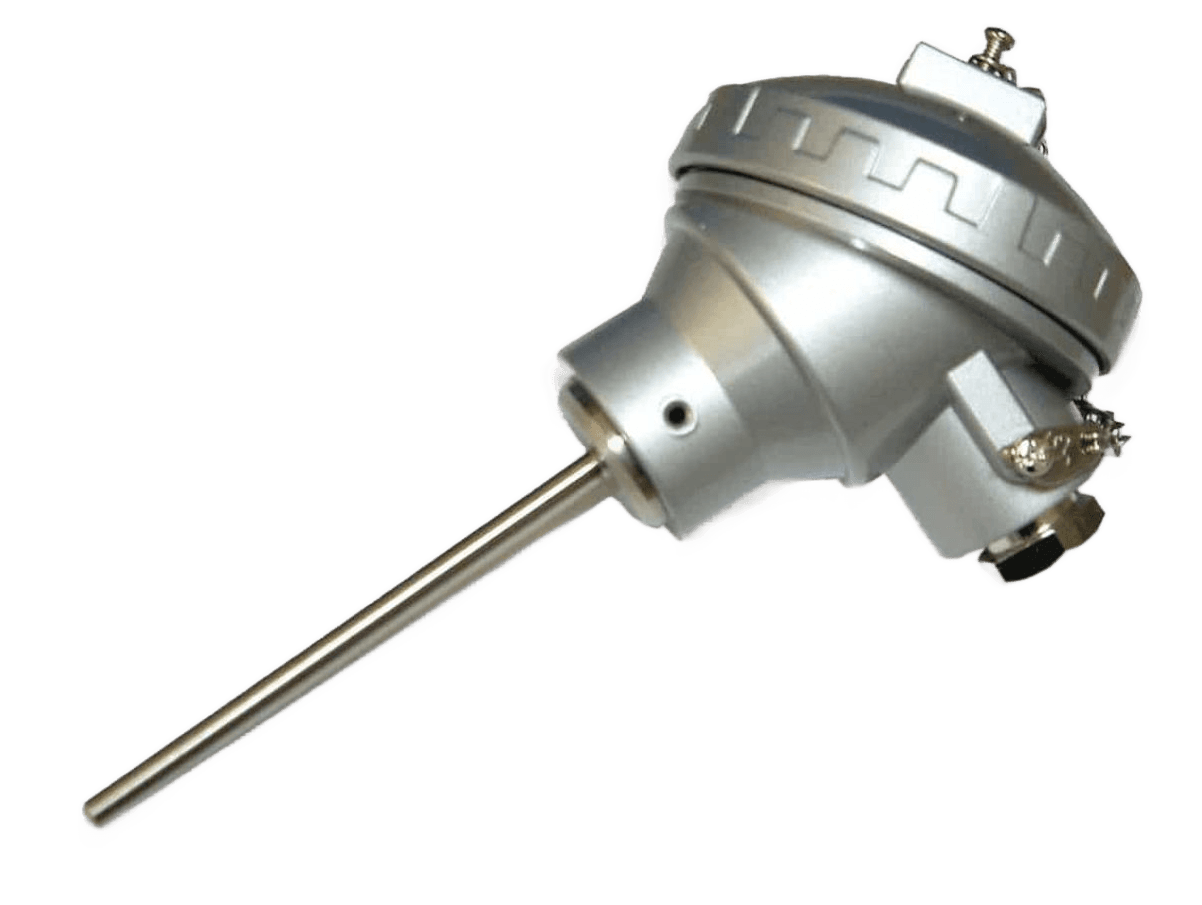
Temperature Sensors
Thermocouple
View details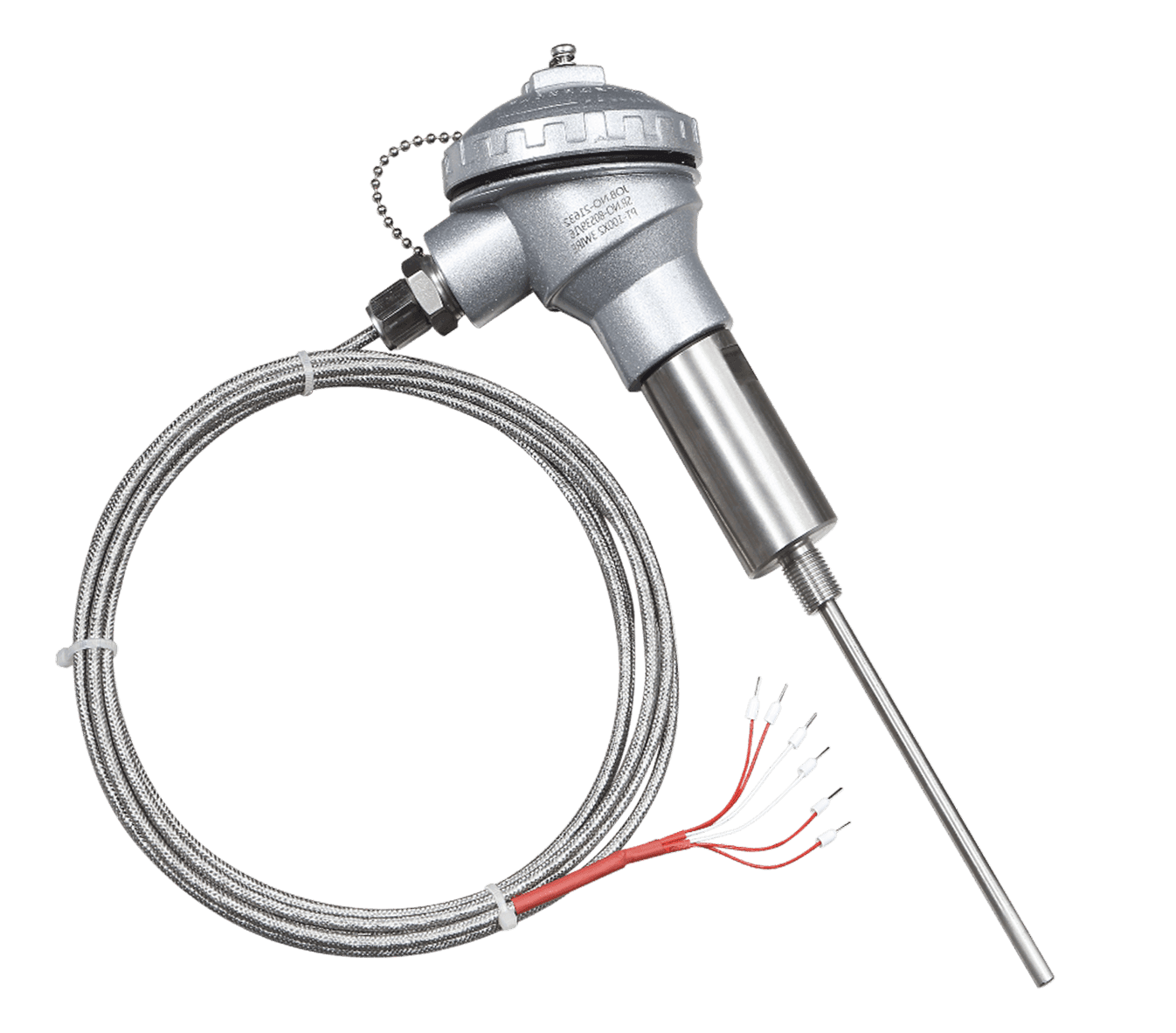
Temperature Sensors
RTD Temperature Sensor
View detailsWhat to share for an accurate quote
- Chemical
- Name, concentration and any impurities.
- Duty
- Volume or flow rate, and start and target temperatures.
- Area classification
- Safe area or hazardous zone, gas group and temperature class.
- Mounting
- Flange, screw plug or over-the-side, and tank dimensions.
- Control
- Thermostat or controller, and over-temperature protection.
Don't have every detail? Send what you know — a photo of the old heater or a rough sketch is enough to start. Send your requirement →
From requirement to installed heater
- 01
Consultation
Understanding your application, environment and thermal requirements.
- 02
Custom Engineering
Precision-calculated specifications tailored to your process.
- 03
Manufacturing
Built in-house under strict quality-control procedures.
- 04
Testing & Validation
Every unit tested under real-world operating conditions.
- 05
Delivery & Support
Installation guidance and ongoing technical support.
Chemical Industry heating — common questions
It depends on the acid, its concentration and temperature. Share those details and the sheath is selected accordingly — some acids need special alloys or protective sheaths rather than stainless steel.