

Industry We Serve
Heating Solutions for Railways & Transport
Rugged heating for rolling stock, on-board equipment and component manufacturing
Trusted By
What we heat
- Cab and passenger space heating
- HVAC air heating
- Battery, panel and equipment heating
- Component heat-treatment150–1,050 °C
Heat in Railways & Transport
Railway and transport manufacturing spans everything from component heat-treatment in the factory to onboard cabin and equipment heating in the field. MaxVolt's heating elements are engineered for the durability and reliability demanded by rolling-stock manufacturers and transport infrastructure projects.
Rail and transport heating has two sides. On board, heaters keep driver cabs and passenger areas comfortable and protect batteries, electronics and panels from cold and condensation, while coping with constant vibration. In the factory, components such as axles, springs and couplers go through heat-treatment like any other heavy engineering part.
MaxVolt builds finned, strip, duct and silicone rubber heaters for on-board duty, and furnace heating for component manufacturers.
Problems we solve for this industry
Vibration and shock
Constant vibration loosens terminations and fatigues element wire, causing open circuits.
Our approach: Robust sheathed and finned constructions with secure terminations and mounting suit moving equipment.
Passenger and crew safety
Exposed hot surfaces and overheating are a burn and fire risk in occupied spaces.
Our approach: Finned elements run at lower surface temperatures, and over-temperature protection can be built in.
Condensation in electrical equipment
Moisture in control panels and battery boxes causes corrosion and electrical faults.
Our approach: Thin silicone rubber heaters and small anti-condensation heaters keep enclosures above the dew point.
Long maintenance intervals
Rolling stock is serviced on fixed schedules, and heaters must last between them.
Our approach: Heaters are rated conservatively for long life rather than maximum output.
Applications & recommended heaters
Cab and passenger space heating
Convection heating for driver cabs, coaches and transit vehicles.
HVAC air heating
Heating air in ducts and HVAC units for coaches and stations.
Battery, panel and equipment heating
Anti-condensation and cold-weather protection for batteries, electronics and control panels.
Component heat-treatment
150–1,050 °CHardening and tempering of axles, springs, couplers and other rolling-stock parts.
Heaters for Railways & Transport
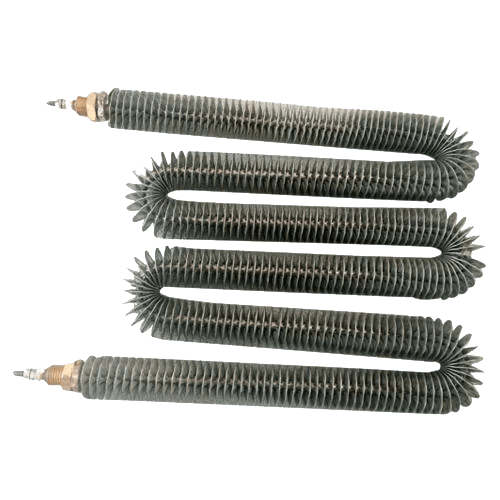
Component Heaters
Finned Tubular Heater
View details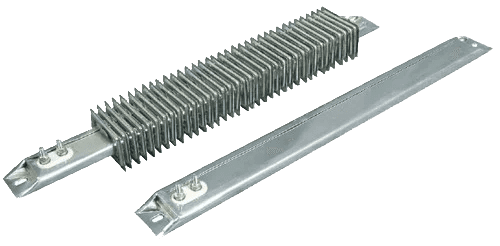
Component Heaters
Strip & Finned Strip Heater
View details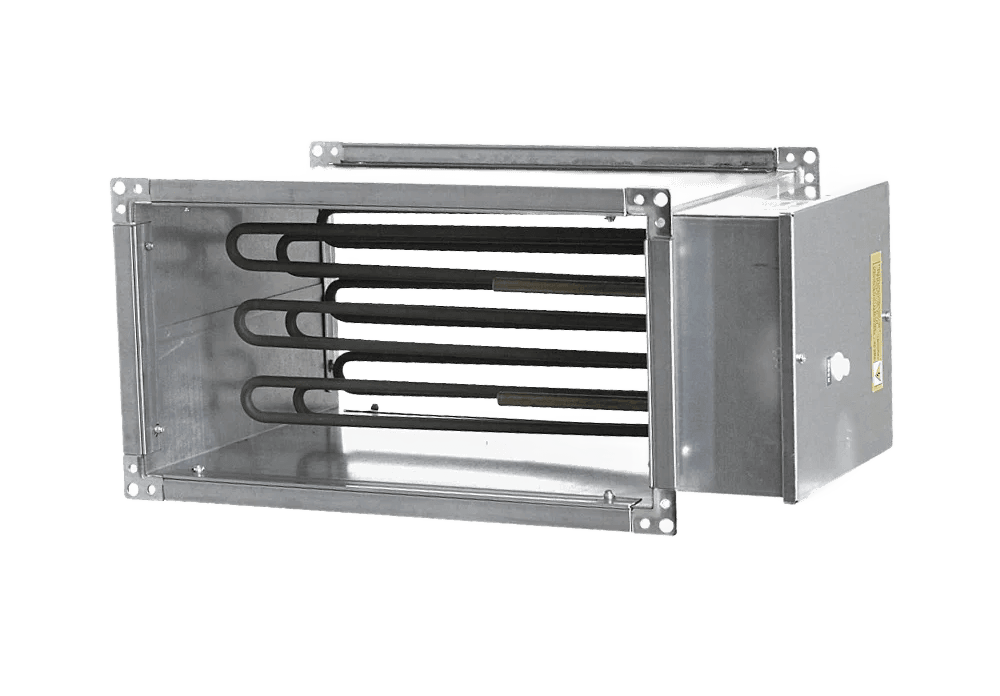
Process Heaters
Duct Heater
View details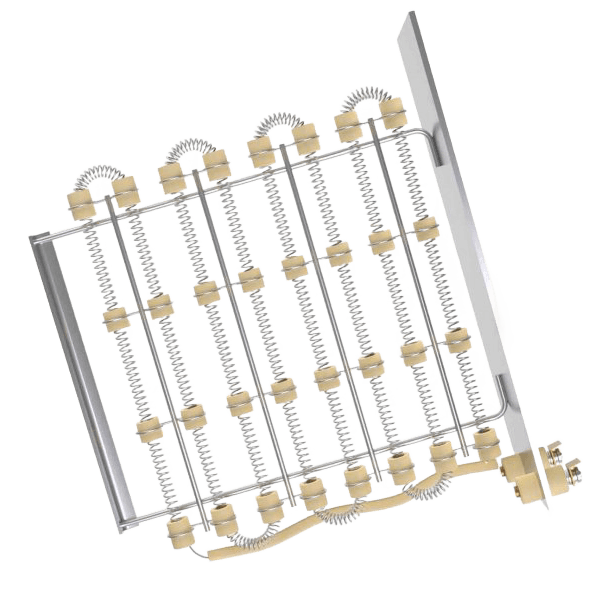
Furnace Heaters
Open Coil Heater | Furnace Coil Heater
View details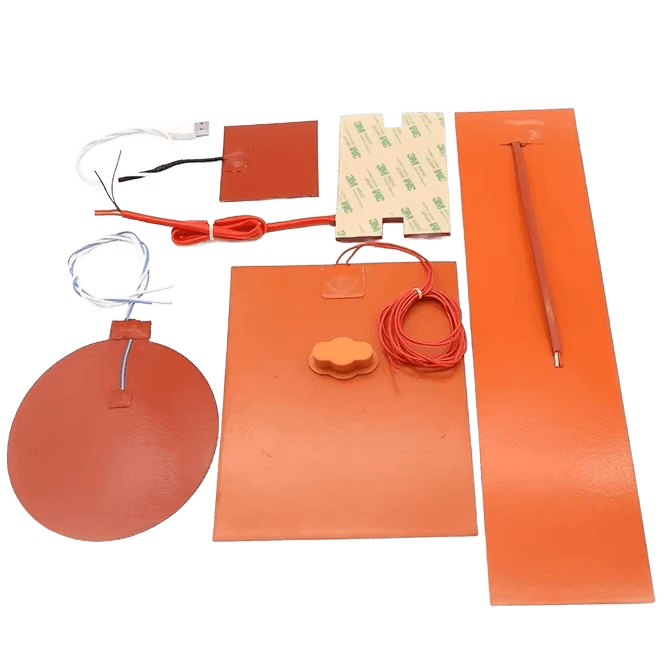
Component Heaters
Silicone Rubber Heater
View details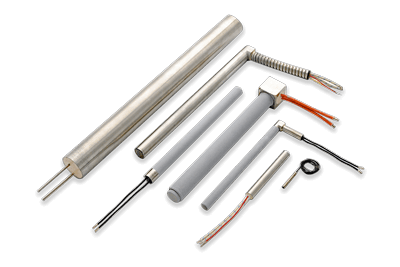
Component Heaters
Cartridge Heater
View details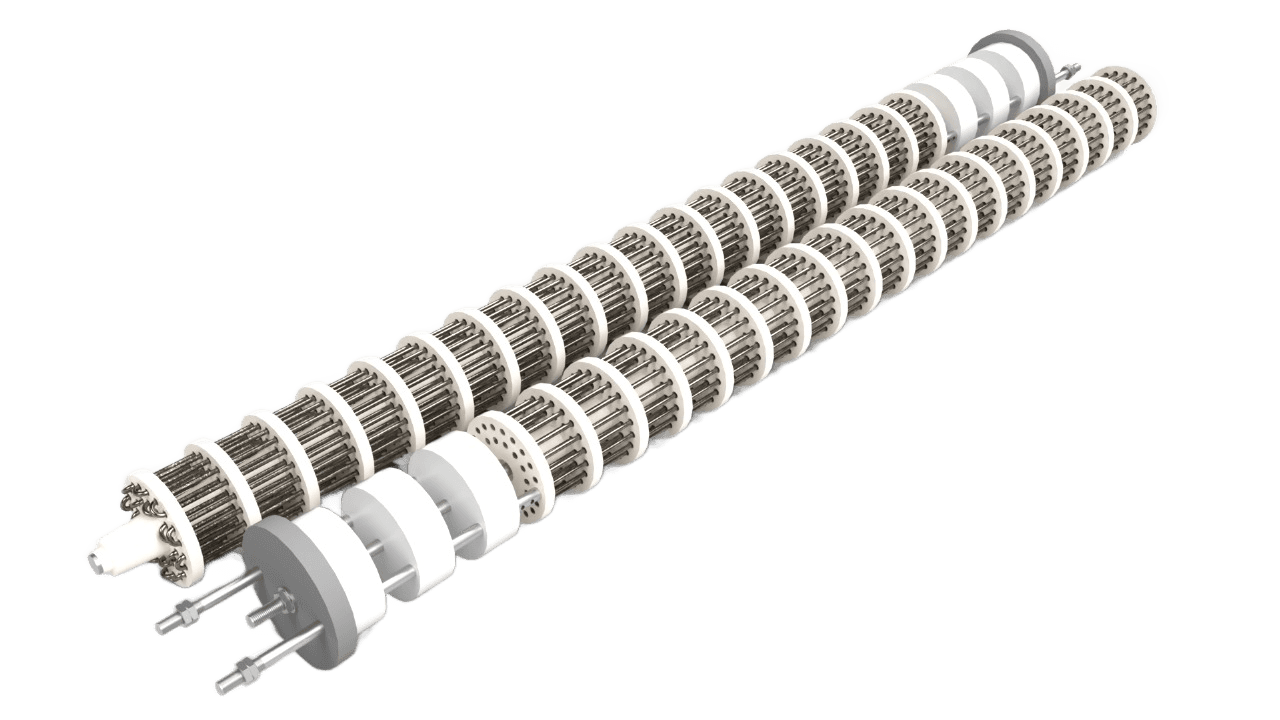
Furnace Heaters
Bundle Rod Heater
View details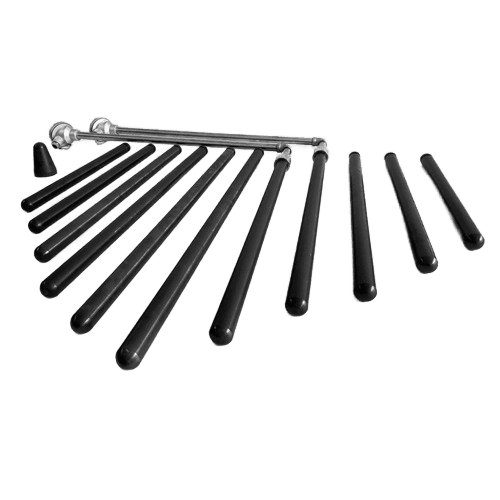
Furnace Heaters
Radiant Tube
View detailsWhat to share for an accurate quote
- Supply
- On-board voltage (AC or DC) and the power available.
- Space
- Mounting envelope and fixing points.
- Environment
- Vibration, ambient temperature range and ingress protection.
- Safety
- Maximum allowed surface temperature and protection devices.
- Standards
- Any rolling-stock or customer specifications to meet.
Don't have every detail? Send what you know — a photo of the old heater or a rough sketch is enough to start. Send your requirement →
From requirement to installed heater
- 01
Consultation
Understanding your application, environment and thermal requirements.
- 02
Custom Engineering
Precision-calculated specifications tailored to your process.
- 03
Manufacturing
Built in-house under strict quality-control procedures.
- 04
Testing & Validation
Every unit tested under real-world operating conditions.
- 05
Delivery & Support
Installation guidance and ongoing technical support.
Railways & Transport heating — common questions
Yes. Resistive heaters work on AC or DC; the element is designed for the supply voltage and wattage you need. Share the on-board voltage and its variation range.