

Industry We Serve
Heating Solutions for Aerospace & Defence
Precise, uniform heat for heat-treatment, composite curing and test equipment
Trusted By
What we heat
- Precision heat-treatment150–1,200 °C
- Composite curing and bonding80–200 °C
- Test and environmental chambers
- Instrument and component warming
- Temperature measurement
Heat in Aerospace & Defence
Aerospace and defence applications demand exceptional precision, uniformity, and reliability from every heating system. MaxVolt's silicon carbide elements and Nano IR heaters deliver the tight temperature control needed for precision component heat-treatment and composite curing in mission-critical manufacturing.
Aerospace and defence work demands repeatable, uniform temperatures and full traceability, often for small batches and custom-shaped parts. Heat-treatment of alloys, curing of composites and bonded structures, and environmental test chambers all depend on tight temperature control.
MaxVolt builds high-temperature furnace elements, silicone rubber heaters for curing and component warming, infrared heaters and precision sensors, designed around each part or chamber.
Problems we solve for this industry
Tight temperature uniformity
Specifications often allow only a few degrees of variation across the work zone.
Our approach: Element layout, zoning and multiple control sensors are planned so each zone can be trimmed independently.
Curing complex composite shapes
Curved and irregular composite parts heat unevenly with conventional ovens.
Our approach: Flexible silicone rubber heaters can be shaped to the part, and infrared adds fast, local heat.
Documentation and traceability
Programmes require test records and material traceability for every heater.
Our approach: Test reports and material details are supplied to match the documentation your programme requires.
Small batches of custom designs
Standard catalogue heaters rarely fit special fixtures and chambers.
Our approach: Heaters are engineered to your drawing, from one-off prototypes to repeat batches.
Applications & recommended heaters
Precision heat-treatment
150–1,200 °CSolution treatment, ageing and stress relief of aerospace alloys and components.
Composite curing and bonding
80–200 °CCuring composite parts, repairs and adhesive bonds on tools and fixtures.
Test and environmental chambers
Air heating for thermal cycling, ageing and qualification testing.
Instrument and component warming
Keeping electronics, optics and fluids at operating temperature.
Temperature measurement
Survey and control sensors for furnaces, chambers and test rigs.
Heaters for Aerospace & Defence
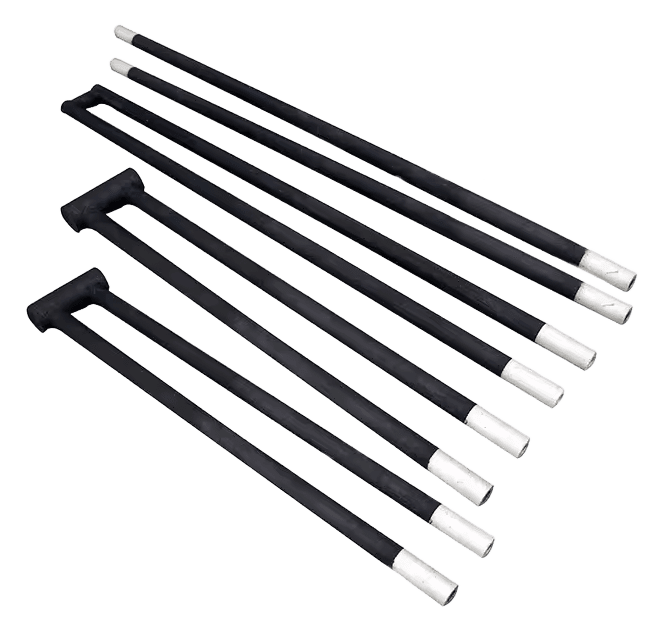
Furnace Heaters
Silicon Carbide Heater
View details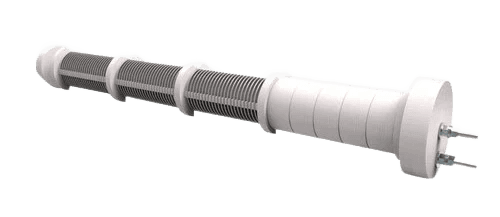
Furnace Heaters
Edge Wound Heater
View details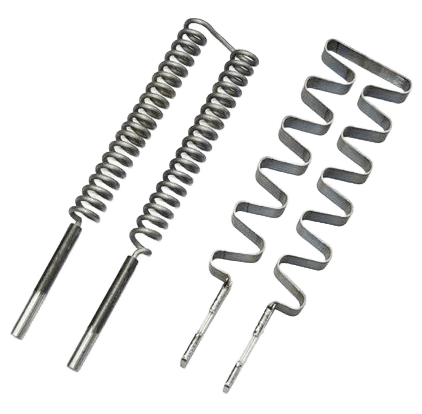
Furnace Heaters
Furnace Strip Heater
View details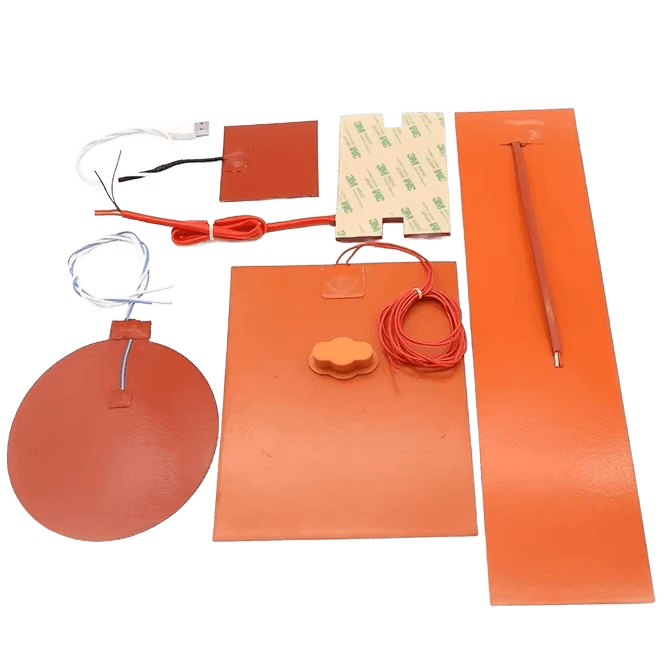
Component Heaters
Silicone Rubber Heater
View details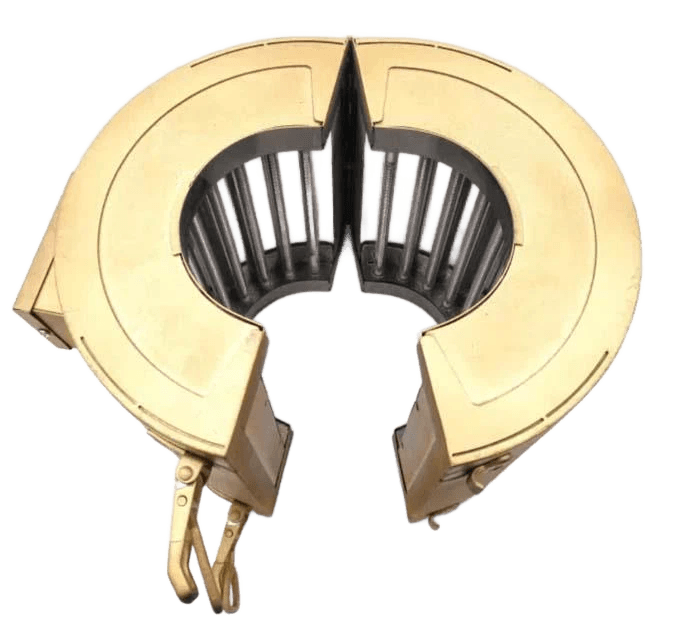
Component Heaters
Nano IR Heater
View details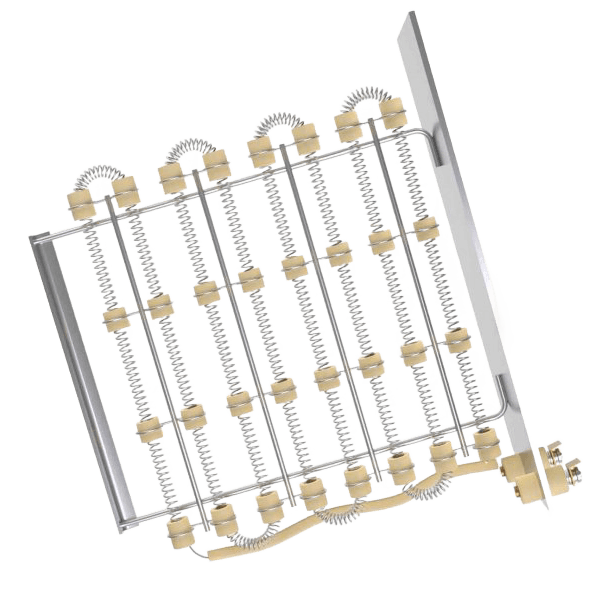
Furnace Heaters
Open Coil Heater | Furnace Coil Heater
View details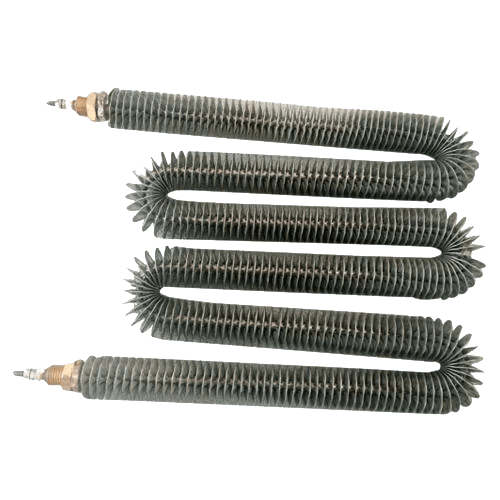
Component Heaters
Finned Tubular Heater
View details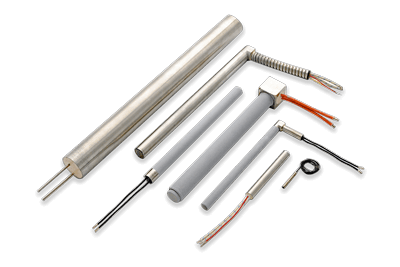
Component Heaters
Cartridge Heater
View details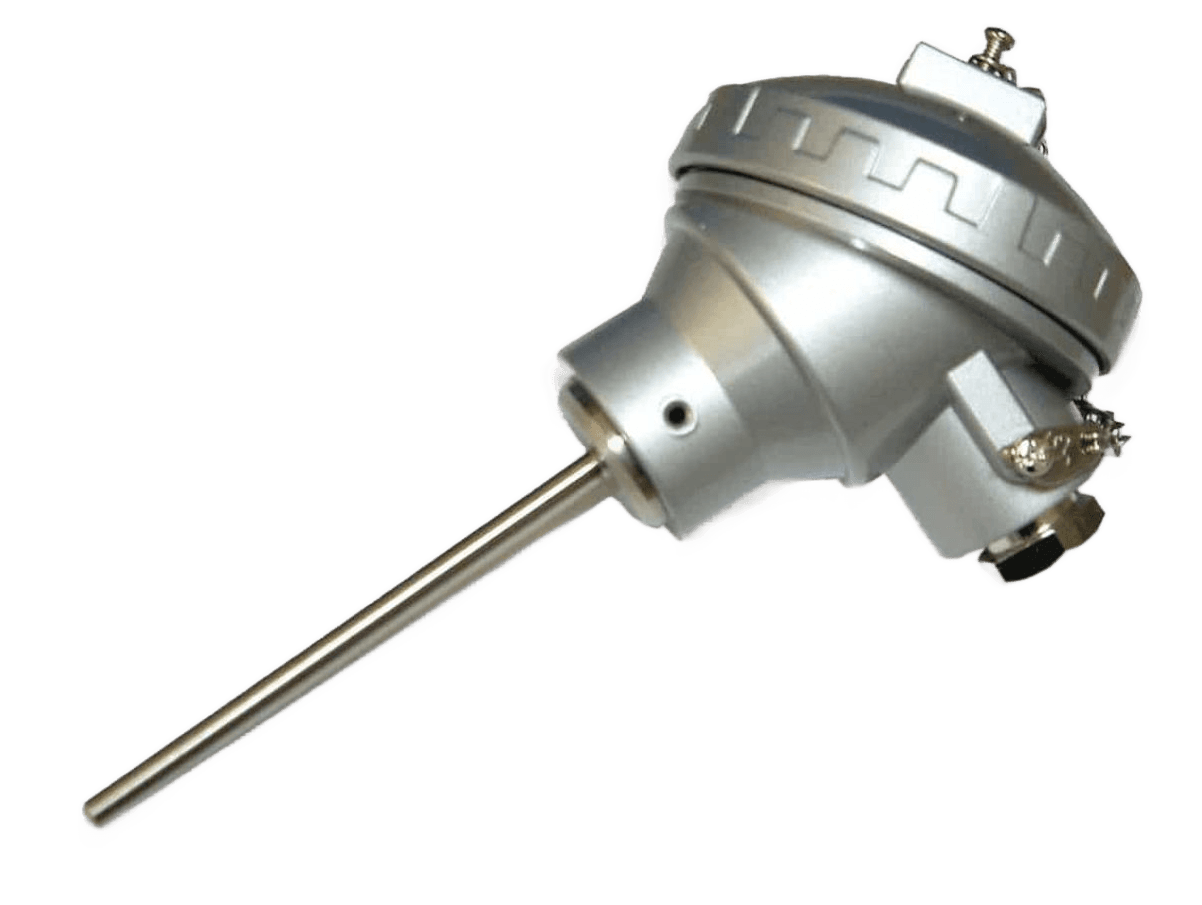
Temperature Sensors
Thermocouple
View detailsWhat to share for an accurate quote
- Uniformity
- Required temperature tolerance across the work zone.
- Geometry
- Drawings or 3D models of the part, tool or chamber.
- Ramp profile
- Heating and cooling rates, and hold times.
- Documentation
- Test reports and traceability needed for your programme.
- Sensors
- Number, type and placement of control and survey sensors.
Don't have every detail? Send what you know — a photo of the old heater or a rough sketch is enough to start. Send your requirement →
From requirement to installed heater
- 01
Consultation
Understanding your application, environment and thermal requirements.
- 02
Custom Engineering
Precision-calculated specifications tailored to your process.
- 03
Manufacturing
Built in-house under strict quality-control procedures.
- 04
Testing & Validation
Every unit tested under real-world operating conditions.
- 05
Delivery & Support
Installation guidance and ongoing technical support.
Aerospace & Defence heating — common questions
Yes. They are thin and flexible, can be made in custom outlines with cut-outs, and can be bonded or clamped to curved tools, so heat is applied evenly over complex shapes.